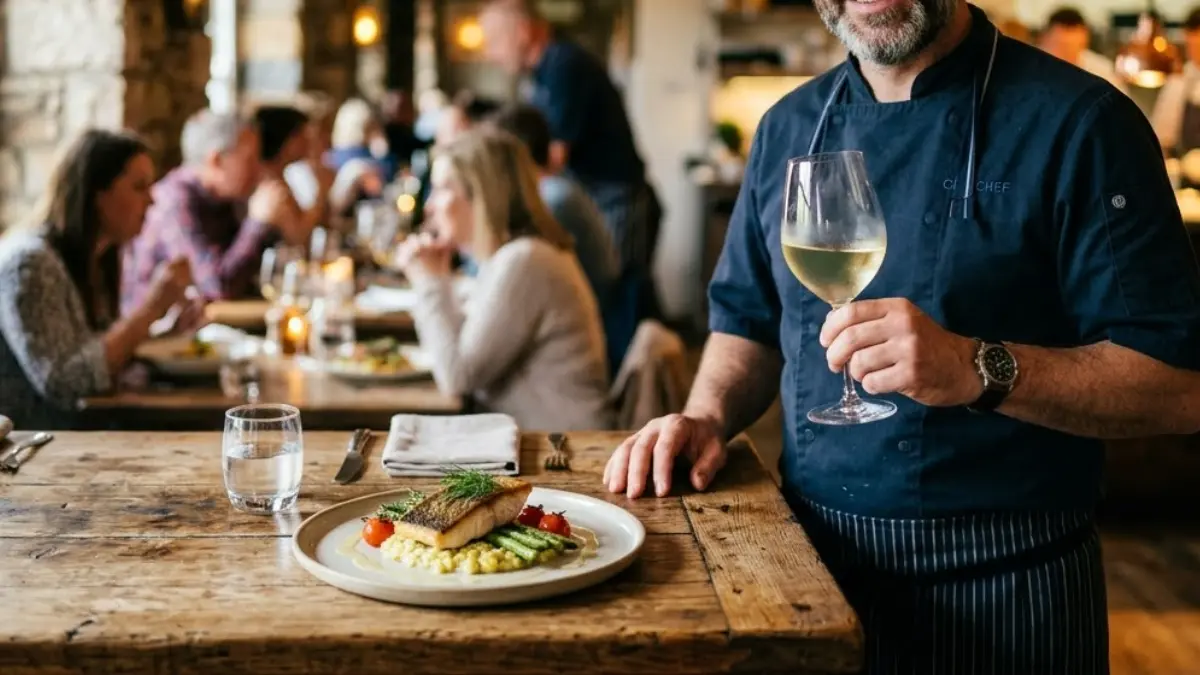
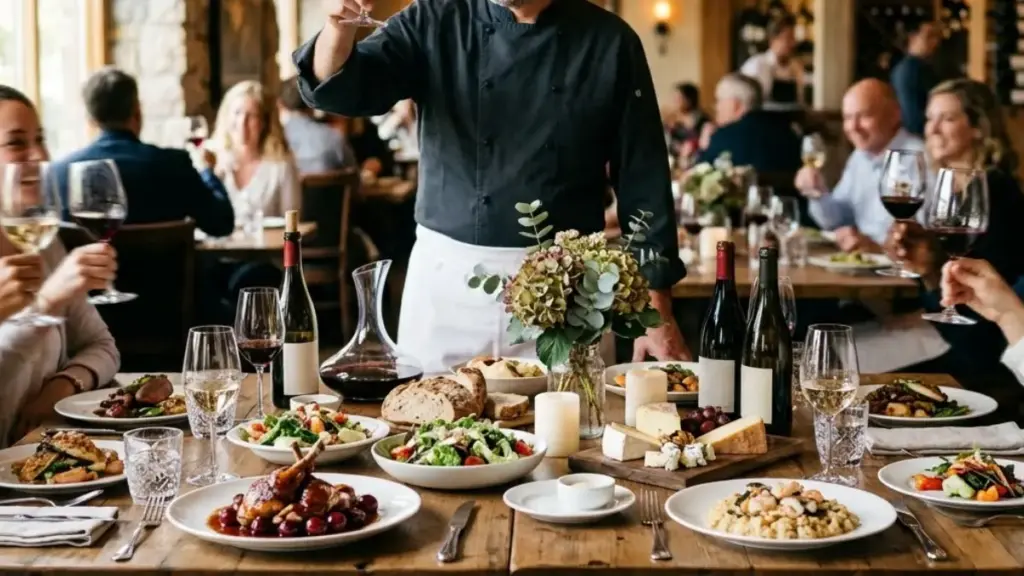
Ever wondered how to pair wine with food to create a flawless dining experience at home? While expert sommelier advice can sometimes feel overwhelming, mastering the fundamentals of wine pairing is much simpler than it seems.
To master wine pairing effortlessly, you must focus on balancing acidity with fats, matching flavor intensities between the dish and bottle, and pairing your wine primarily with the dominant sauce rather than just the base protein.
Deconstructing Core Taste Principles in the Art of Wine Pairing
Understanding taste mechanics transforms how you approach every meal. When culinary professionals approach a menu, they evaluate structural components such as acidity, fat, tannins, and sweetness to create harmony between the glass and the plate.
Interactions Between Food Structure and Wine Acidity
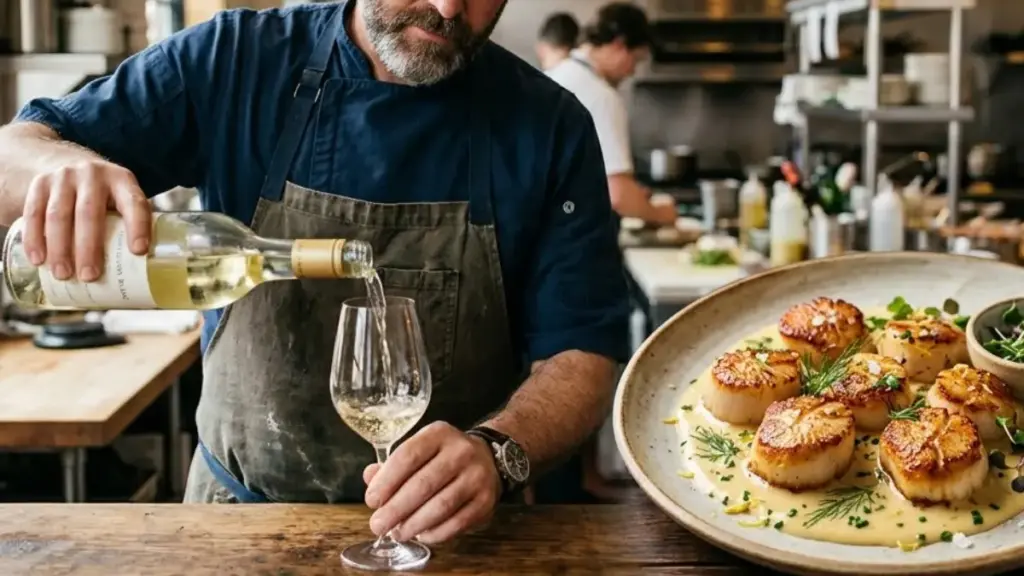
Acidity serves as the backbone of successful beverage matches. High-acid beverages act as a palate cleanser, cutting through heavy elements and making rich dishes feel lively rather than overwhelming.
Balancing Food Richness with Crisp Acidity
Rich, fatty dishes require beverages with bright acid to slice through heavy textures. When sipping a crisp Sauvignon Blanc alongside a cream-based pasta, the acid cuts through the milk fats, refreshing your palate before the next bite.
Avoiding Bitterness Overlap from High Tannins and Salt
High-tannin beverages paired with excessively salty foods create an undesirable, bitter clash on the tongue. Avoid high-tannin reds when eating salty cured meats without sufficient fat to buffer the structural astringency.
Read more: 3 Heart-Safe Coffee Based Beverages You Can Safely Enjoy Every Day
The Impact of Sweetness and Weight on Long-Lasting Aftertaste
Weight and sweetness dictate how long flavors linger after each bite. Achieving harmony requires ensuring neither element overpowers the other, preserving subtle nuance in both components.
Rule of Sweetness Alignment to Prevent Bitterness
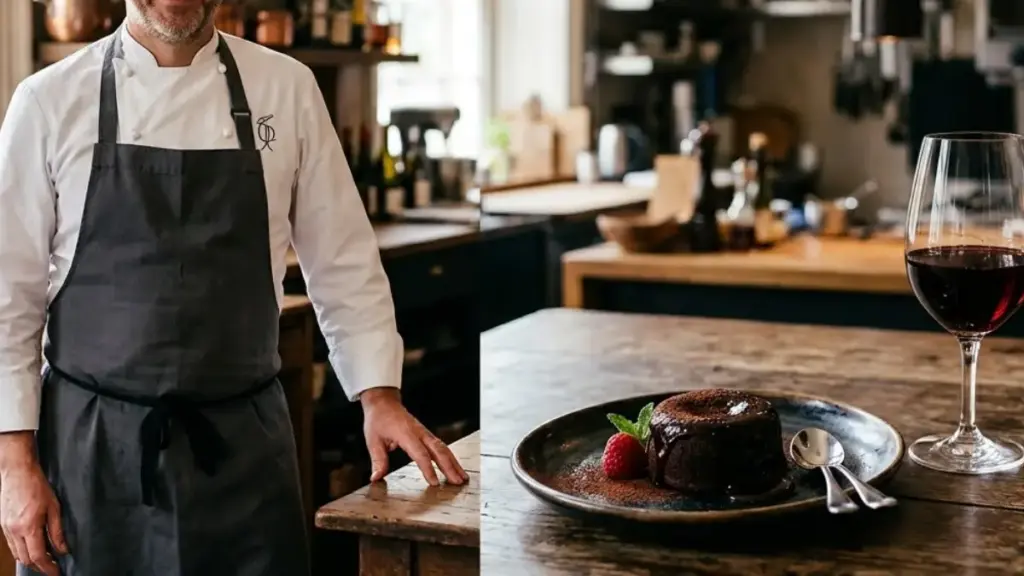
Food should never exceed the sweetness level of your beverage glass. If the dessert on your plate is sweeter than what you are drinking, the beverage will immediately taste unpleasantly tart, thin, and astringent.
Matching Wine Body with Culinary Preparation Methods
Match full-bodied beverages with intense preparation styles like grilling or braising. Lighter cooking techniques, such as steaming or poaching, demand delicate, light-bodied selections to avoid smothering delicate flavors.
3 Game-Changing Wine Pairing Tips Directly from Restaurant Chefs
Professional kitchens rely on straightforward, reliable framework rules to construct memorable dining menus. These three expert strategies remove guesswork and guarantee success every time you entertain guests.
Tip 1 – Balancing Richness and Acidity Through Contrast
Contrasting elements create dynamic excitement on the tongue. By placing opposing flavor profiles together, you highlight the best features of both the beverage and the culinary preparation.
Utilizing High-Acid White Varieties for Rich Cream Sauces
Heavy cream sauces demand vibrant, citrus-forward white selections. A sharp Pinot Grigio cuts through velvety Alfredo sauce, maintaining balance throughout the entire meal.
Applying Sparkling Wines to Cleanse the Palate with Fried Foods
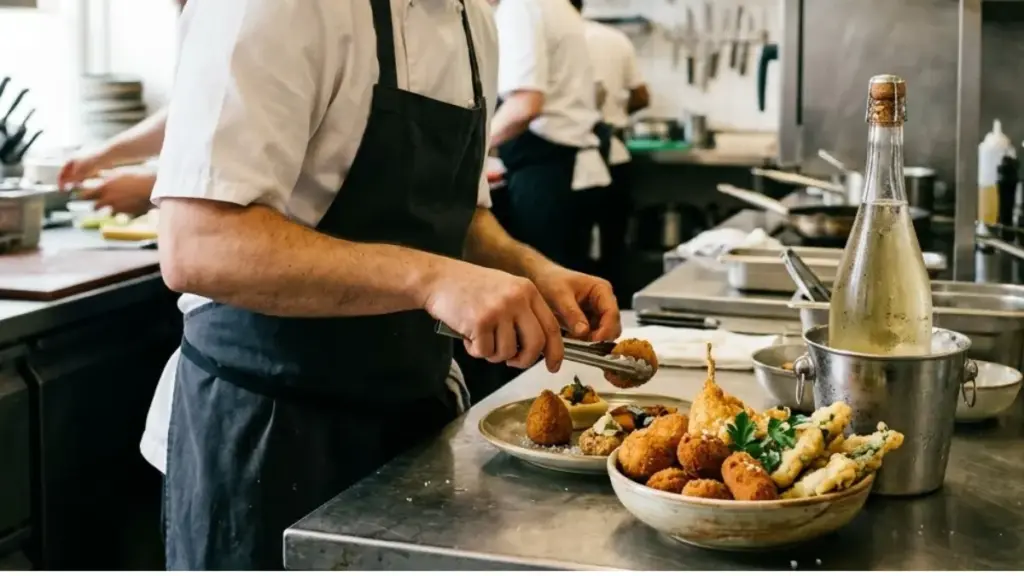
Effervescence works wonders when combined with crispy, deep-fried appetizers. Bubbles physical scrub grease off the palate, making sparkling choices the ultimate companion for fried chicken or tempura.
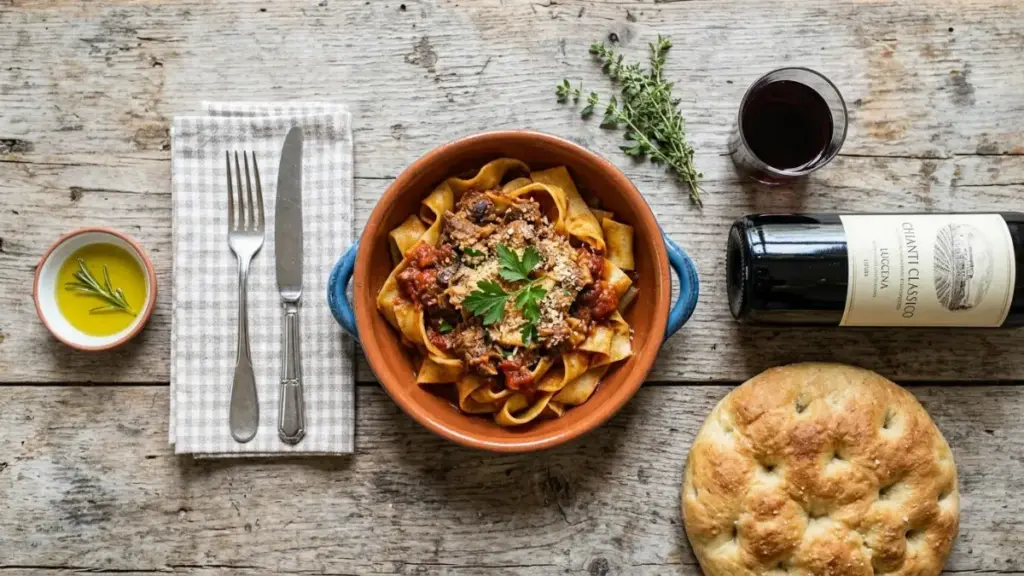
Tip 2 – Matching Regional Flavors and Terroir Characteristics
What grows together generally goes together. Regional selections naturally evolved alongside local culinary traditions over centuries, creating effortless harmony between local recipes and regional vines.
Pairing Beverages and Regional Specialties from the Same Soil
Classic regional combinations represent centuries of natural trial and error. Pairing Chianti with Tuscan tomato ragù works seamlessly because both share high acidity tailored to local soil compositions.
Aligning Herbal Notes Between Seasonings and Glass Aromas
Look for shared aromatic profiles in herbs and spices. A Cabernet Franc featuring herbal pyrazines matches roasted lamb rubbed with fresh rosemary and thyme perfectly.
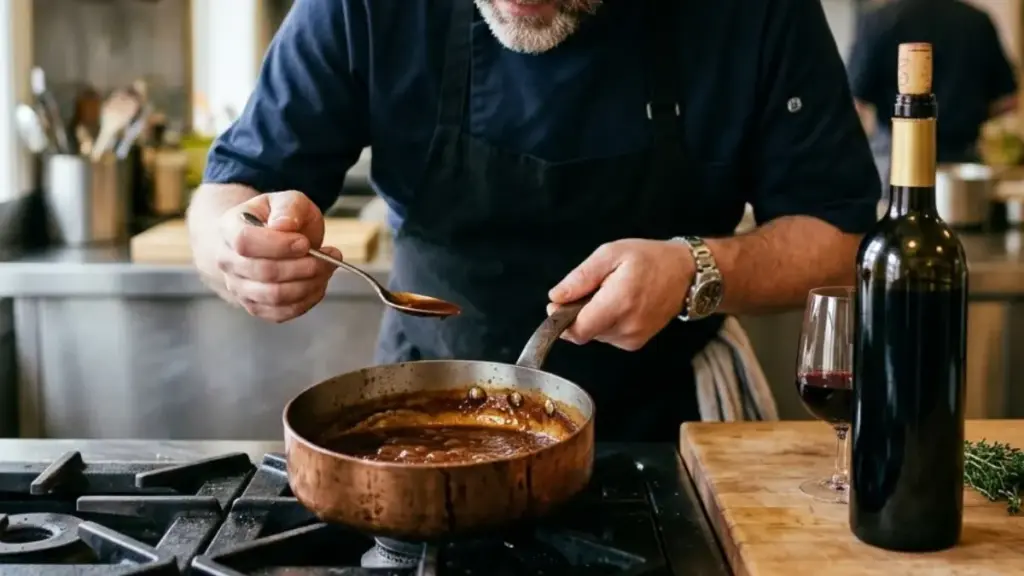
Tip 3 – Focusing on Main Sauce Flavors Rather Than Raw Protein
The single biggest mistake amateur hosts make is pairing exclusively with the base protein. The sauce coating the protein almost always dictates the dominant flavor profile of the dish.
Matching Selections Based on Sauce Density and Richness
A light chicken breast served in a tangy lemon caper sauce requires a delicate, high-acid white beverage, whereas the same chicken breast in a rich mushroom cream sauce demands a buttery Chardonnay.
Adjusting Beverage Choices when Switching Sauce Categories
Transitioning from acidic tomato marinara to heavy cheese sauces changes the equation entirely. Adjust your bottle choice to reflect sauce heavy weights rather than relying on the underlying poultry or meat.
Common Wine Pairing Mistakes That Ruin Delicious Meals
Even high-quality bottles can taste disappointing if matched incorrectly. Recognizing frequent pitfalls protects your investment and ensures your guests enjoy every single bite.
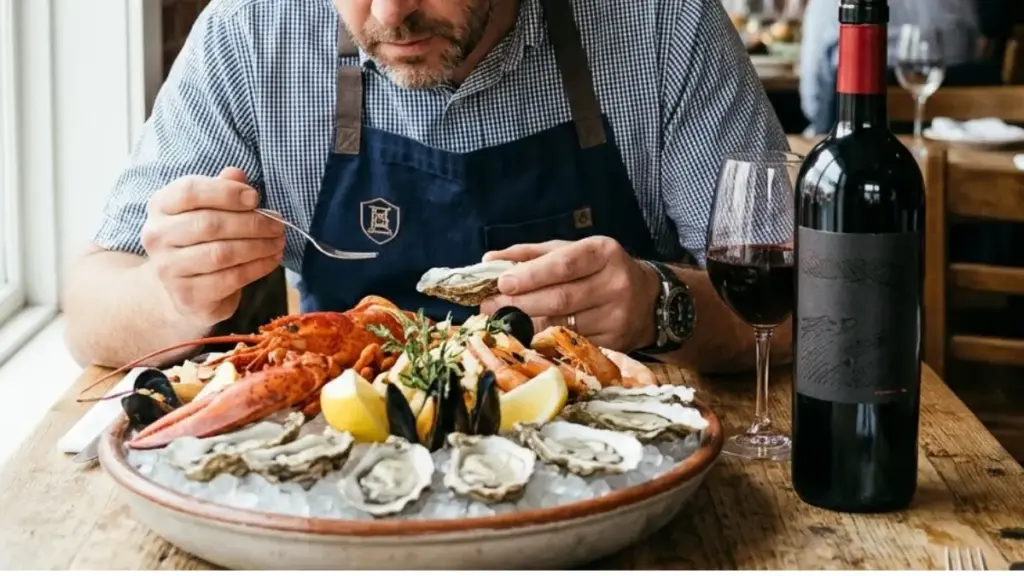
The Disaster of Pairing Heavy Reds with Fresh Seafood
Combining high-tannin red selections with fresh seafood is a recipe for culinary disappointment. The chemical reaction between fish oils and tannins creates harsh, metallic off-flavors.
The Metallic Aftertaste Risk of Tannins and Fish Oils
Tannins react aggressively with fish oils, creating an unpleasant metallic taste on the tongue. Avoid heavy Cabernet Sauvignon when serving delicate fresh seafood or sushi dishes.
Superior Alternatives Using Light Whites or Dry Rosé Options
Opt for light, crisp white selections or dry Rosé when enjoying delicate seafood. These choices preserve oceanic freshness while providing gentle acidity that enhances delicate flavors.
Mastering wine pairing is an empowering journey that turns every home meal into a memorable restaurant-quality celebration of flavor and creativity.
Michael Vance
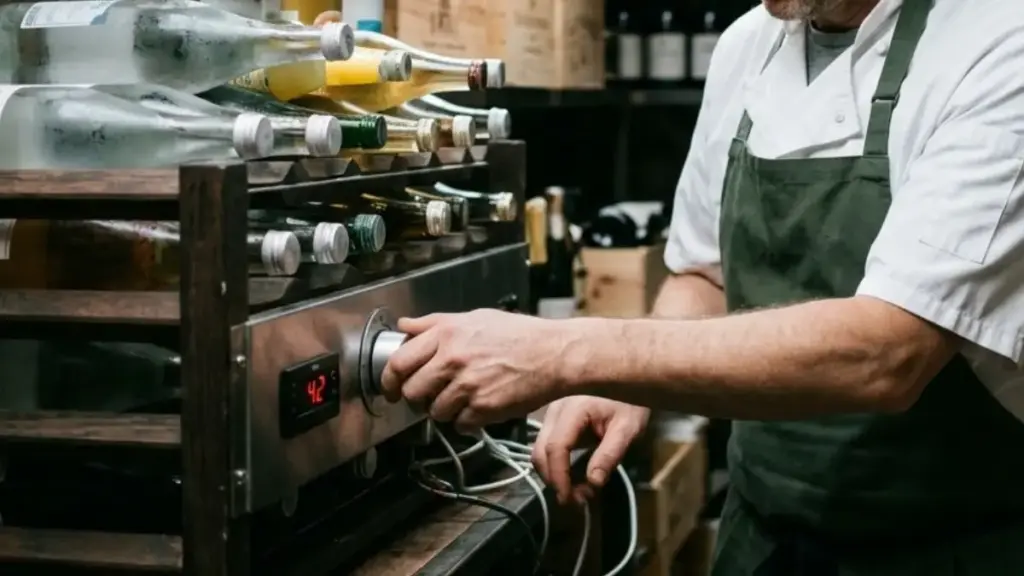
Overlooking Serving Temperatures That Destroy Culinary Synergy
Serving temperature drastically alters how alcohol, tannin, and fruit notes present themselves. Incorrect temperatures conceal subtle aromatics and ruin otherwise perfect meal combinations.
Overheated Red Varieties Highlighting Alcohol Burn
Serving red bottles too warm causes alcohol vapors to overpower delicate food aromas. Warm red selections taste harsh and flabby, obscuring subtle seasoning nuances in your meal.
Rapid Chilling Methods Approved by Professional Restaurants
Chill warm bottles quickly using an ice bath containing equal parts cold water and salt. This professional restaurant technique lowers temperatures safely in under fifteen minutes without damaging delicate flavors.
Elevating Wine Pairing Skills for Home Dinners and Events
Hosting memorable multi-course dinners requires strategic planning. Implementing systematic tasting order and practical experimentation builds confidence and sharpens your culinary intuition.
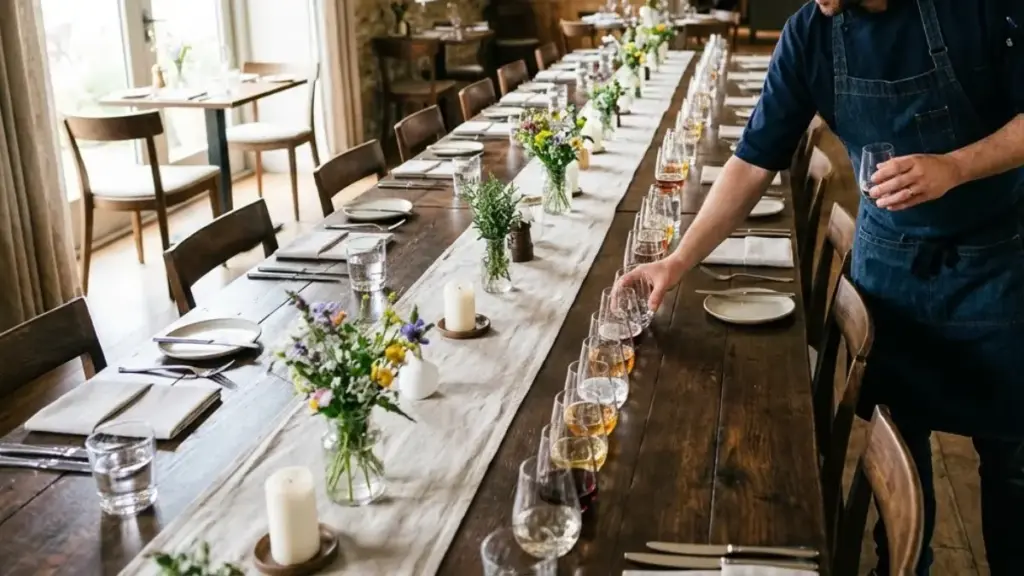
Building Flexible Multi-Course Menus with Corresponding Glasses
Constructing a multi-course tasting menu demands careful progression. Serving light beverages first prevents palate fatigue and ensures each course builds excitement naturally.
Proper Serving Progression from Light to Bold Profiles
Always serve light, high-acid selections before transitioning into full-bodied, heavy tannic varieties. Similarly, dry styles must always precede sweet dessert options to keep tastebuds sharp.
Selecting Versatile Crowd-Pleasing Bottles for Large Groups
When serving diverse crowds, select highly versatile option styles like Pinot Noir or dry Riesling. These adaptable choices bridge multiple flavor profiles effortlessly during group meals.
Read more: 3 Genius Swaps To Make Lemon-Yuzu Drinks Using Your Blueberry and Lemon Tart Ingredients
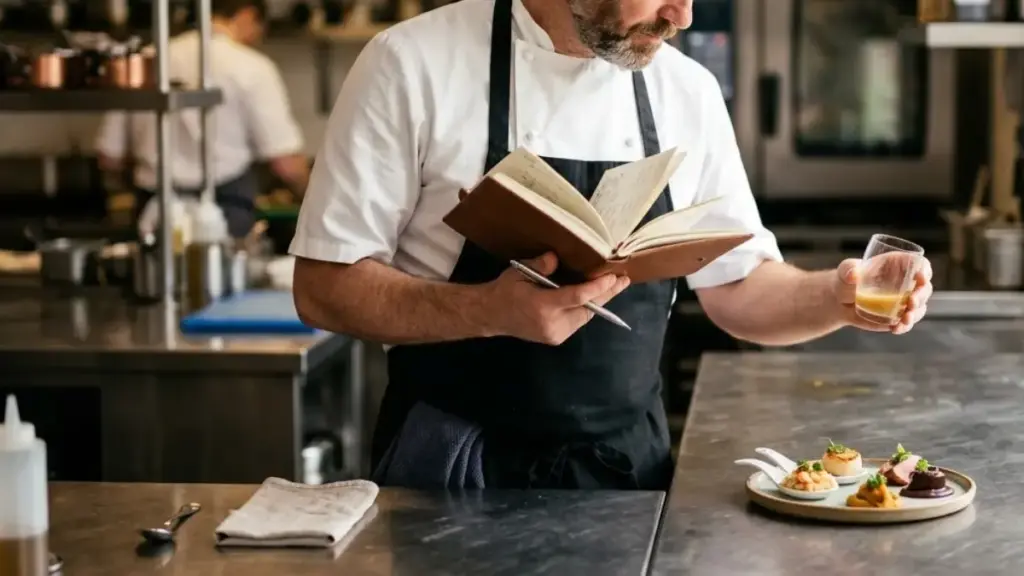
Training Your Palate at Home Through Comparative Tasting
Developing expert intuition requires hands-on practical experience. Experimenting with deliberate taste tests builds muscle memory and helps you understand personal flavor preferences.
Comparative Tasting Techniques Before and After Food Bites
Sample your beverage before taking a bite, then immediately sample it again after tasting the food. Notice how fat, salt, and acid dramatically alter perceived beverage characteristics.
Keeping a Personalized Tasting Journal to Record Successes
Documenting successful dynamic matches helps build your personal culinary playbook. Note specific sauce ingredients, beverage varieties, and personal enjoyment scores for future entertaining reference.
Frequently Asked Questions About Wine Pairing
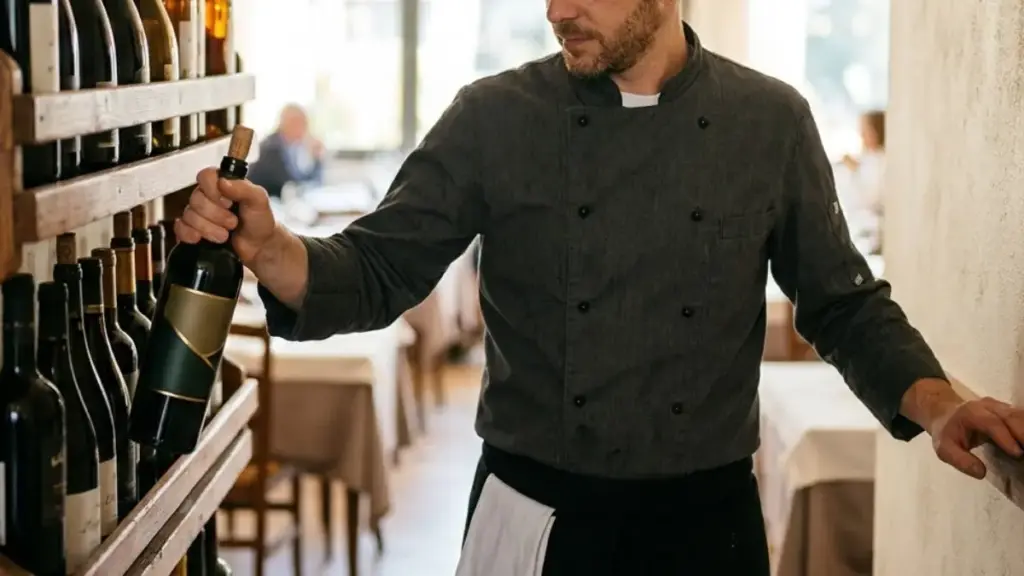
What Is the Safest Beverage Choice for Complex Fusion Dishes?
Dry sparkling options or versatile, high-acid whites like Riesling offer maximum flexibility. Their vibrant acidity handles complex spice blends, sweetness, and varying fat levels seamlessly.
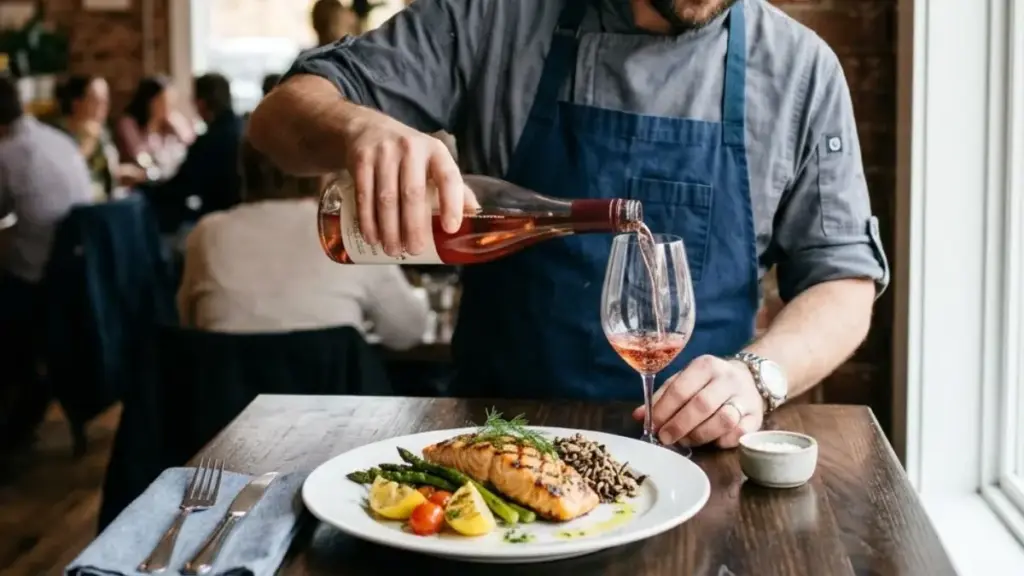
Should I Pair Beverages Based on Protein or Sauce?
Always prioritize sauce intensity over raw protein. Heavy reduction sauces or rich cream coatings dictate the dominant palate impact far more than underlying white or red meats.
Can You Successfully Serve Red Varieties with Fish Dishes?
Yes, provided you choose low-tannin red selections like Pinot Noir or Gamay. Ensure the fish is paired with rich, earthy sauces like mushroom or red wine reductions to bridge flavors smoothly.
Summary: Mastering Wine Pairing Effortlessly
Mastering wine pairing does not require years of sommelier training or complex technical jargon. By focusing on fundamental taste interactions—balancing rich fats with bright acidity, matching overall flavor weight, and prioritizing sauce profiles—you can confidently transform any everyday home meal into an extraordinary culinary experience. Start experimenting with these simple chef-backed strategies today, trust your evolving palate, and enjoy the delicious journey of culinary discovery.
PLEASE LEAVE A COMMENT TO SHARE YOUR FAVORITE THOUGHTS OR FOLLOW OUR BLOG FOR THE LATEST UPDATES.
Leave a Reply