Author: news.couchinsider.com

  • Choosing the Best Gym Shoes to Avoid Common Training Injuries

    Choosing the Best Gym Shoes to Avoid Common Training Injuries

    Many lifters unknowingly risk severe joint damage by wearing soft, cushioned running shoes while performing heavy squats and deadlifts. According to expert podiatrists, flexible running midsoles deform under heavy loads, causing foot instability, ankle collapse, and harmful spinal misalignment. Investing in the best gym shoes with flat, non-compressible soles is critical to stabilizing your form, protecting your joints, and elevating your strength gains safely.

    Swapping dedicated weightlifting footwear for cushioned running sneakers is the primary root cause of acute ankle strain and chronic lower back pain among strength enthusiasts today. When you execute heavy compound movements like squats or overhead presses, your body requires a unyielding, stable foundation to transfer force efficiently into the floor.

    Unmasking the Mistake: Why Running Shoes Undermine Your Lifting Safety and the Need for the best gym shoes

    best-gym-shoes-running-shoe-midsole-compression
    Soft running midsoles collapse under heavy barbell loads.

    The fundamental mechanical flaw of wearing running footwear inside the weight room stems from purpose-driven engineering differences. Running sneakers feature thick Ethylene-Vinyl Acetate (EVA) or TPU foam midsoles specifically calibrated to absorb forward kinetic impact. When placed under vertical heavy barbell loads, these soft air pockets squish unpredictably, turning your firm lifting surface into a trampoline.

    The Dangerous Illusion of Soft Comfort in the Free Weight Zone

    Lifting heavy iron while standing on thick foam creates immediate lateral instability across all foot joints. As you descend into a heavy squat, the weight forces the foam cushion to compress unevenly, disrupting your natural balance and center of mass.

    Biomechanical Differences Between Forward Propulsion and Vertical Load Compression

    Forward running requires shock absorption at heel strike followed by energetic toe-off propulsion across the sagittal plane. Vertical strength training requires zero kinetic dampening so that mechanical energy travels directly from your skeletal system straight down into the firm floor.

    Gym Rat Experience: Loss of Floor Grip and Arch Collapse During Heavy Reps

    Athletes attempting heavy sets in running sneakers frequently report a terrifying sensation of foot rolling and midfoot collapse. Without a rigid heel counter, the longitudinal arch caves inward, forcing your toes to claw frantically inside the toe box just to keep you upright.

    Upgrading your workout footwear is an essential step toward protecting your spine, strengthening your ankles, and lifting heavier weights safely. Make the switch to the best gym shoes today to safeguard your joints and elevate your training performance for years to come.

    Ri

    Direct Damage to the Ankle Joint and Posterior Chain During Squats and Deadlifts

    When your foot foundation tilts off-center, the kinetic chain above it suffers severe alignment breakdowns. The ankle joint, forced to compensate for a mushy sole, undergoes extreme lateral shear stress that compromises structural integrity during peak muscular exertion.

    best-gym-shoes-squat-alignment-side-view
    Rigid footwear maintains alignment through the entire posterior chain.

    Ankle Instability Caused by Deformed EVA Foam Under Pressure

    Under three hundred pounds of axial pressure, soft EVA soles flatten unevenly toward the medial side. This forces your calcaneus into excessive eversion, stretching lateral ankle ligaments beyond their safe range of motion and increasing acute strain risks.

    Risks of Ankle Sprains, Ligament Strain, and Loss of Ground Force Transmission

    When footwear deforms under load, kinetic energy dissipates sideways rather than driving the barbell upward. This mechanical leak reduces total force output while exposing delicate joint capsules and collateral ligaments to severe hyper-mobility trauma.

    Podiatrist Insights: How Incorrect Footwear Triggers Spinal Misalignment and Injury

    best-gym-shoes-podiatrist-evaluating-foot-posture
    Podiatrists recommend rigid soles to preserve foot tripod mechanics.

    Medical specialists in podiatric sports medicine consistently warn against running shoes on the lifting platform. A squishy shoe destabilizes the heel bone, which instantly cascades upward through the tibia, knee joint, hip socket, and spinal column.

    Medical Analysis of the “Sponge Effect” in Soft Midsoles

    Podiatrists describe soft running midsoles as a dampening sponge that destroys natural neurological proprioception. When your brain cannot feel a firm surface through the plantar fascia, stabilizer muscles overcompensate, creating chaotic muscular recruitment patterns across your lower extremities.

    Disruption of the Stable Foot Tripod Structure Under Load

    Human foot stability relies on a three-point contact structure: the calcaneus, the first metatarsal head, and the fifth metatarsal head. Soft shoe cushioning collapses this tripod, causing the foot to roll inward and shifting your center of pressure dangerously forward.

    Kinetic Chain Energy Dissipation From Floor to Skeletal System

    When pushing against a spongy surface, a significant portion of force is absorbed by the shoe material rather than moving the barbell. This energy loss forces your lower back muscles to pull harder to complete the upward movement, placing unnecessary stress on the spine.

    Read more: Do You Meet the Standard Mile Run Pace by Age to Evaluate Your Cardiovascular and Respiratory Health?

    Postural Distortions and Severe Risks to the Lumbar Spine

    As the ankle rolls inward, the tibia rotates internally, pulling the knee inward (valgus collapse) and tilting the pelvis forward. This biomechanical collapse forces the lower back to arch excessively to keep the chest upright under heavy loads.

    best-gym-shoes-deadlift-flat-sole-setup
    Flat soles keep the pelvis neutral and spine protected during deadlifts.

    Anterior Pelvic Tilt and Compensatory Force Disruption Under Heavy Barbell Loads

    Anterior pelvic tilt during deep squatting compresses the facet joints of the lumbar vertebrae. This artificial alignment shift alters how force distributes across your spinal discs, making even lighter weights feel unstable and dangerous.

    Herniated Disc Risks and Premature Joint Wear From Asymmetric Pressure

    Uneven force distribution across intervertebral discs dramatically increases the risk of acute disc herniation. Over months of heavy training in soft shoes, this repetitive asymmetric loading causes micro-trauma, wear, and chronic lumbar strain.

    Technical Standards for Evaluating Modern best gym shoes

    best-gym-shoes-flat-lay-gear-display
    Specialized weightlifting shoes feature flat outsoles and solid heel support.

    Identifying authentic high-performance lifting footwear requires understanding key structural features. Dedicated lifting shoes replace soft foam with high-density TPU, dense rubber, or wooden heel blocks that remain completely unyielding under hundreds of pounds.

    [ruby_related heading=”More Read” total=5 layout=1 offset=5]

    Core Criteria Defining the best gym shoes for Strength Training

    To safeguard your skeletal framework, functional footwear must satisfy strict geometric criteria. The primary goal is creating a flat, wide platform that grounds your feet securely into the floor surface.

    Heel-to-Toe Drop and Its Role in Optimizing Ankle Range of Motion

    Heel-to-toe drop refers to the height difference between the heel cushion and forefoot sole. Raised heels (15mm to 22mm) allow lifters with limited ankle mobility to achieve deep squat depth without rounding their lower back.

    Flat, High-Grip Rubber Outsoles with Zero-Compression Engineering

    The bottom rubber layer of the best gym shoes must feature a flat profile with sticky rubber compounds. This design ensures maximum surface contact area, preventing slips while maintaining a stable, solid feel throughout heavy lifts.

    Categorizing Specialized Training Shoes by Exercise Type

    Not all gym activities demand identical footwear specs; powerlifting, Olympic weightlifting, and general conditioning require tailored footwear designs.

    best-gym-shoes-barefoot-deadlift-shoes
    Zero-drop barefoot shoes maximize tactile floor contact during deadlifts.

    Barefoot/Zero-Drop Footwear: Maximizing Tactile Sensory Feedback for Deadlifts

    Zero-drop shoes place your heel and forefoot at identical heights off the floor, reducing the total distance the barbell must travel. This design allows your toes to splay naturally, maximizing balance and floor contact during heavy pulls.

    Olympic Weightlifting Shoes: Raised Hard Heels for Deep Squat Stability

    Olympic lifting shoes incorporate rigid TPU plastic or wood heels that provide a solid base during clean-and-jerk or snatch movements. This raised heel improves upright torso alignment, reducing forward lean and stress on the lower back.

    Transition Roadmap and Selecting the best gym shoes for Your Anatomy

    best-gym-shoes-fitting-and-selection
    Testing shoe width and heel lockdown ensures a secure, protective fit.

    Switching from cushioned running shoes to firm, supportive gym shoes requires a thoughtful adjustment period. Your feet, ankles, and calves need time to adapt to unyielding soles after relying on soft foam cushioning for years.

    Step-by-Step Testing Protocol to Choose the best gym shoes Based on Foot Shape

    Never buy training shoes based on appearance alone; exact mechanical fit determines whether a shoe protects or degrades your joints under load.

    Evaluating Wide Toe Box Space for Natural Toe Splay Under Load

    A proper lifting shoe features a wide toe box that lets your toes spread out under pressure. When your big toe splays fully, it engages the plantar fascia naturally, locking your foot arch into a stable, strong shape.

    best-gym-shoes-instore-squat-test
    In-store squat tests reveal heel stability and lateral support.

    In-Store Stability Test Protocol Before Purchasing Strength Footwear

    Always perform bodyweight squats and lunges when trying on prospective training shoes. Ensure your heel stays locked in place, the midfoot strap holds your foot securely, and the sole does not tilt or flex under weight.

    Adaptation Strategy for Long-Term Foot Health and Injury Prevention

    Transitioning immediately to firm zero-drop or weightlifting shoes for heavy training can temporarily strain tight calves and Achilles tendons if introduced too quickly.

    Progressive Stack-Height Reduction Plan for Plantar Muscle Adaptation

    Gradually reduce sole cushion thickness over four to six weeks rather than making a sudden jump. Start by wearing firm cross-trainers for lighter workouts before moving to rigid, zero-compression lifting shoes for heavy sets.

    best-gym-shoes-ankle-mobility-drills
    Ankle mobility mobility exercises help feet adapt to firm lifting shoes.

    Supplementary Mobility Drills for Ankle Flexibility and Arch Strengthening

    Pair your new footwear with targeted mobility drills, such as knee-to-wall ankle stretches and short-foot exercises. Building intrinsic foot muscle strength ensures your arches stay strong, healthy, and supported under heavy lifting loads.

    Read more: Group Fitness: 3 Unexpected Benefits of Working Out in a Crowd

    Frequently Asked Questions About the best gym shoes
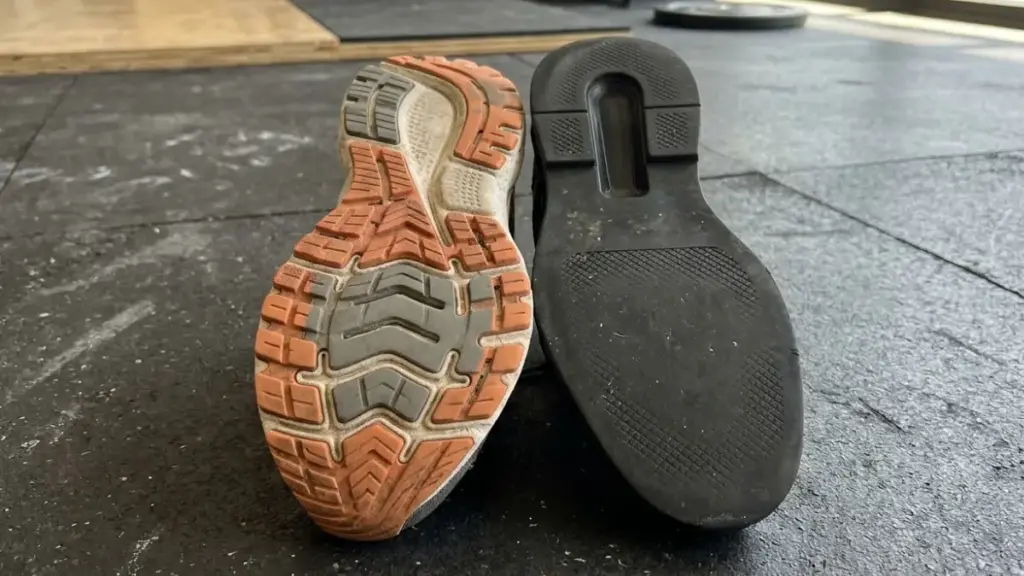
    best-gym-shoes-outsole-comparison
    Comparing soft running soles with flat, firm lifting outsoles.

    Can I squat in running shoes if I am only lifting light weights?

    Lifting light weights in running shoes reduces immediate risk, but it reinforces poor movement patterns. Spongy midsoles cause subtle foot wobbles even under light loads, preventing you from building a stable foundation as you increase weight.

    Are barefoot shoes considered the best gym shoes for all gym exercises?

    Barefoot shoes excel at deadlifts and kettlebell swings because they encourage natural foot mechanics and a flat stance. However, lifters with tight ankles often prefer raised-heel weightlifting shoes for squats to maintain a comfortable upright torso.

    best-gym-shoes-midfoot-strap-adjustment
    Midfoot straps secure the foot tightly inside rigid weightlifting shoes.

    How often should I replace my specialized training shoes compared to running shoes?

    Specialized lifting shoes last much longer than running shoes because their dense soles do not degrade quickly from impact. A quality pair of lifting shoes used strictly indoors can easily maintain its stability and performance for two to three years.

    Protecting Your Lifting Future with the best gym shoes

    best-gym-shoes-athlete-standing-confident
    Investing in flat, rigid footwear protects your joints and enhances lifting power.

    Upgrading your workout footwear is one of the most effective ways to prevent injuries and improve your strength performance. Soft running shoes belong on the treadmill, not under a heavy barbell. By switching to firm, flat footwear designed specifically for strength training, you protect your ankles, align your spine, and build a safer, stronger lifting foundation for years to come.

    PLEASE LEAVE A COMMENT TO SHARE YOUR FAVORITE THOUGHTS OR FOLLOW OUR BLOG FOR THE LATEST UPDATES.

  • How a Single Minivan Named Chrysler Pacifica Carries the Entire Survival Future of a Historic Automotive Brand

    How a Single Minivan Named Chrysler Pacifica Carries the Entire Survival Future of a Historic Automotive Brand

    When traditional sedan lineups were systematically discontinued, the Chrysler Pacifica emerged as the solitary shield protecting a storied automotive brand from total obscurity. 

    Amidst volatile market fluctuations and intense pressure from corporate parent Stellantis sales reports, this flagship family hauler represents far more than a standard passenger vehicle; it carries the absolute survival weight of an entire Detroit legacy. Understanding this monumental responsibility requires an objective look at how a single vehicle continues to redefine retail market dynamics and commercial resilience.

    The Monumental Burden: When Chrysler Relies Exclusively on Pacifica

    The modern automotive landscape is littered with once-dominant marques that faded into obscurity after failing to adapt to shifting consumer demands. Within this high-stakes arena, Chrysler currently finds itself in a uniquely vulnerable position. Following years of corporate restructuring and product line reduction, the storied American brand has been whittled down to a single high-volume passenger vehicle offering. 

    This extraordinary situation places an immense operational burden on the Chrysler Pacifica, transforming a conventional family hauler into the literal anchor of corporate survival. Industry analysts tracking the broader American automotive market frequently point out that no other major manufacturer relies so heavily on one specific nameplate to sustain its entire retail presence across national dealership networks.

    Corporate Portfolio Reduction StrategyDescription & Status
    Historical SedansDiscontinued variants including the 300 and 200 models
    Legacy CrossoversReassigned or phased out to streamline manufacturing
    Sole Surviving Core PlatformChrysler Pacifica acting as the exclusive high-volume offering

    To fully comprehend this phenomenon, one must examine the strategic decisions that led to the contraction of the brand lineup. Over the past decade, shifting consumer preferences away from traditional sedans toward SUVs and crossovers forced parent conglomerates to streamline manufacturing footprints. 

    While competitors diversified their portfolios across multiple segments, corporate decisions narrowed Chrysler down to minivans and select legacy variants. Consequently, the Chrysler Pacifica became the solitary pillar upholding dealer showroom traffic, parts distribution networks, and brand recognition. Without this vehicle bridging the gap between past prestige and modern utility, the overarching corporate identity risks complete dissolution in an intensely competitive global market.

    Chrysler Pacifica parked outside modern corporate headquarters
    Dealership showrooms depend entirely on the visual appeal and consumer demand driven by the Chrysler Pacifica.

    Portfolio Contraction and the Disappearance of Iconic Sedans

    The gradual phasing out of legendary nameplates such as the Chrysler 300 sedan marked the end of an era for rear-wheel-drive American luxury. For decades, these sedans defined the corporate image, projecting authority, classic proportions, and accessible prestige. 

    However, tightening fuel economy standards, shifting generational preferences, and escalating manufacturing costs rendered traditional large sedans economically unviable for mass-market expansion. As assembly lines were retooled, engineering resources were funneled away from passenger cars, leaving a massive vacuum in the brand catalog. 

    Read more: Mercedes Maybach V12: 5 Secrets The Ultra Rich Know

    This strategic retreat inadvertently thrust the Chrysler Pacifica into the spotlight, forcing a family-oriented transport vehicle to carry the historical weight previously distributed across multiple vehicle classes.

    Era ComparisonStrategic Brand Focus
    Era of the 2010sMultiple sedans, crossovers, and diverse passenger cars
    Present EraSingle monoculture anchored exclusively by the Chrysler Pacifica

    This drastic portfolio reduction created unique challenges for dealership franchises. Dealerships that once offered a comprehensive showroom featuring entry-level sedans, mid-size offerings, and flagship cruisers suddenly had to rely on a single vehicle architecture to attract diverse demographics. Sales representatives had to pivot their pitch entirely toward families, rideshare operators, and commercial fleet buyers. 

    The adaptability of the Chrysler Pacifica design parameters proved instrumental in surviving this transition, yet the long-term risk of monocultural reliance remains a central talking point among industry observers and financial auditors alike.

    Chrysler Pacifica interior dimension blueprint and cabin layout
    Interior spatial optimization remains a core engineering triumph underpinning the success of the Chrysler Pacifica.

    The Lifeline Role in Sustaining Brand Presence and Dealer Networks

    Survival in the modern automotive industry requires maintaining a critical threshold of retail volume to justify national advertising campaigns, warranty service networks, and supply chain logistics. Without the steady production runs generated by the Chrysler Pacifica, maintaining these extensive support systems would become financially untenable for the corporate parent. 

    Every unit leaving the assembly plant contributes directly to overhead distribution, parts manufacturing contracts, and dealer profitability. This symbiotic relationship turns the vehicle into a financial lifeline, ensuring that the brand name remains active in registration databases and consumer consideration sets across North America.

    “Discipline is the bridge between remote aspirations and professional accomplishments, turning chaotic schedules into streamlined engines of success.”

    Jade

    Furthermore, the existence of this single surviving model preserves institutional knowledge within the engineering and design teams. Retaining specialized talent for vehicle assembly, software calibration, and supply chain management is exceedingly difficult when production lines go dormant. 

    By keeping the manufacturing pipeline active, the Chrysler Pacifica sustains the vital technical infrastructure required for any potential future brand expansion or platform revival. Thus, its ongoing production represents far more than immediate quarterly revenue; it acts as a strategic placeholder for the future of American family transportation engineering.

    automotive financial sales report analytics dashboard
    Analyzing Stellantis sales reports reveals the critical financial weighting carried by the Chrysler Pacifica.

    Dissecting Stellantis Sales Reports and Family Minivan Market Share

    Navigating corporate financial disclosures requires examining quarterly production figures, delivery metrics, and inventory turnover ratios published by automotive conglomerates. Within recent fiscal disclosures from Stellantis, the performance of the Chrysler Pacifica is frequently highlighted as a stabilizing metric amidst volatile market conditions. 

    While other passenger car segments experience severe contraction, the minivan sector maintains a dedicated, albeit specialized, consumer base. Understanding how these sales numbers influence broader corporate strategy provides clear insight into why management continues to prioritize this specific platform over experimental greenfield projects.

    Sales Volume CategoryEstimated Market Proportion
    Fleet Sales PercentageApproximately 20% to 30% of total output
    Retail Family DeliveriesApproximately 70% to 80% of total output
    Annual Production OutputExceeding 100,000 units consistently

    Market research data indicates that family haulers occupy a resilient niche where utility consistently supersedes transient styling trends. Even as full-size SUVs dominate discussions regarding large-format transport, minivans offer unmatched interior packaging efficiency, lower step-in heights, and superior fuel economy. 

    The Chrysler Pacifica captures a substantial portion of this specialized demographic, securing steady cash flow for the parent organization. By maintaining consistent delivery numbers quarter after quarter, the vehicle buffers the corporation against macroeconomic fluctuations and supply chain disruptions affecting more volatile segments of the global market.

    Chrysler Pacifica driving on suburban highway during daylight
    Steady highway retail deliveries drive the consistent performance of the Chrysler Pacifica across American markets.

    Exceeding the One Hundred Thousand Annual Unit Threshold

    Achieving a six-figure annual delivery volume is a significant benchmark for any individual vehicle line in the North American market, particularly within a specialized class like multi-purpose vehicles. 

    The Chrysler Pacifica consistently hovers around or exceeds this critical production threshold, defying predictions of the total obsolescence of the segment. This sustained consumer demand stems from a loyal buyer demographic that prioritizes functional space, multi-passenger comfort, and advanced safety credentials over traditional automotive prestige. Dealership networks rely heavily on these volume numbers to maintain baseline profitability through parts servicing and routine maintenance contracts.

    Maintaining this level of output requires continuous adjustments to manufacturing logistics, component sourcing, and assembly line efficiency. Supply chain bottlenecks affecting microchips, electrical wiring harnesses, and specialized interior polymers have repeatedly threatened production schedules. 

    However, corporate supply managers prioritize the Chrysler Pacifica assembly lines due to their high financial criticality. Ensuring that these vehicles continue rolling out of assembly plants prevents dealership lots from standing empty, safeguarding the commercial viability of retail franchises dependent on steady product inventory.

    commercial fleet parking lot with multiple Chrysler Pacifica units
    Commercial fleet contracts provide a dependable baseline volume supporting Chrysler Pacifica production stability.

    Commercial Fleet Acquisitions and Overall Market Footprint

    While retail sales to individual families form the emotional and financial core of the brand, commercial fleet agreements and rental car company acquisitions play a secondary yet influential role in overall volume distribution. 

    Historically, American automakers utilized rental fleets to boost production numbers, sometimes at the expense of residual vehicle values. Modern inventory management for the Chrysler Pacifica balances fleet distribution much more cautiously, ensuring that rental placements do not oversaturate secondary markets while still absorbing excess production capacity during seasonal lulls.

    Fleet buyers appreciate the versatile interior packaging and high passenger capacity, making the vehicle a preferred choice for airport shuttle services, executive transport companies, and municipal agencies. 

    These commercial deployments act as rolling advertisements, exposing thousands of potential retail buyers to the comfort and convenience features of the Chrysler Pacifica in real-world operational settings. Consequently, strategic fleet placement reinforces broader brand awareness, converting temporary rental passengers into long-term private vehicle purchasers upon experiencing the platform firsthand.

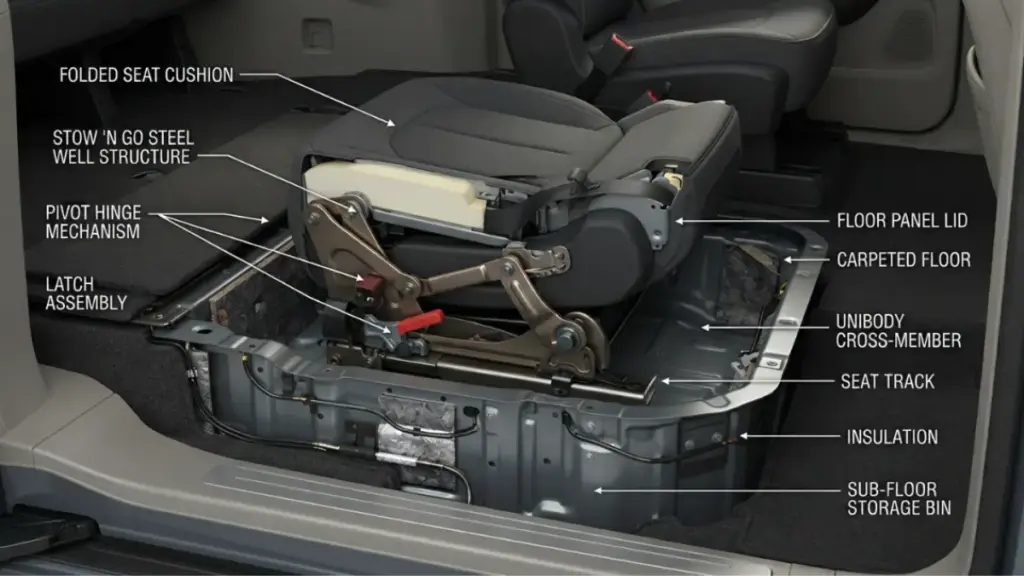
    Chrysler Pacifica Stow n Go seat folding mechanism engineering render
    The innovative Stow ‘n Go floor well mechanism remains an unmatched engineering triumph for the Chrysler Pacifica.

    Proprietary Utility Advantages and Real-World Minivan Performance

    Competition within the family transport segment is fierce, featuring established multi-national contenders renowned for reliability, build quality, and resale value. To maintain its competitive edge, the Chrysler Pacifica relies heavily on proprietary innovations that redefine interior spatial flexibility. Chief among these differentiators is the ingenious seating architecture that allows second and third-row seats to fold completely flat into underfloor storage compartments. 

    [ruby_related heading=”More Read” total=5 layout=1 offset=5]

    This single engineering feature eliminates the cumbersome, heavy muscle-work required to lift bulky bench seats out of competing vehicles, securing a massive advantage among consumer demographics that frequently alternate between passenger hauling and cargo transport.

    Feature Integration AspectChrysler Pacifica Design Advantage
    Second-Row StowabilityFolds completely flat into underfloor storage wells
    Third-Row Folding MechanismOne-touch electric or manual fold option into floor
    Cargo Volume CapacityMaximized flat floor space without removing seats

    Beyond seating mechanics, ride comfort and cabin ergonomics play pivotal roles in consumer purchasing decisions. Modern families undertaking cross-country road trips demand advanced connectivity, multiple USB charging ports across every row, integrated entertainment screens, and superior sound insulation. 

    The Chrysler Pacifica incorporates these amenities into a cohesive package designed to minimize cabin fatigue during extended journeys. By focusing engineering investments on user experience and daily operational convenience, the vehicle successfully defends its market share against aggressive cross-shopping from three-row mid-size crossovers.

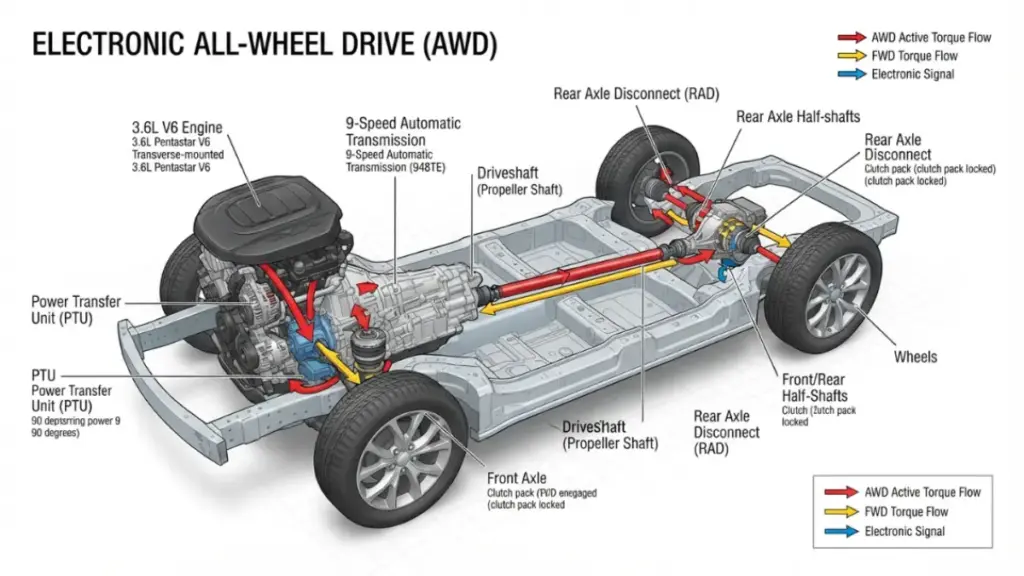
    Chrysler Pacifica All-Wheel Drive powertrain torque distribution schematic
    Advanced All-Wheel Drive engineering provides all-weather traction confidence for the Chrysler Pacifica platform.

    The Stow ‘n Go Seating Architecture and Spatial Optimization

    The engineering philosophy behind the Stow ‘n Go seating system represents one of the most successful packaging solutions in modern automotive history. Designing floor wells deep enough to swallow entire captain’s chairs without compromising structural rigidity, fuel tank placement, or exhaust routing required decades of iterative development. 

    For everyday users of the Chrysler Pacifica, this capability transforms the vehicle from a rigid passenger carrier into a versatile cargo van within seconds. Parents can transition from school carpools to hauling home improvement materials without lifting heavy seats out onto a garage floor.

    This unmatched versatility creates high brand loyalty among repeat buyers. Once consumers experience the seamless transition between passenger seating and flat-floor cargo hauling, transitioning to a competing vehicle that lacks underfloor storage becomes unappealing. 

    The Chrysler Pacifica leverages this functional monopoly to retain its customer base across multiple vehicle lifecycles, proving that thoughtful interior engineering carries as much weight in purchase decisions as raw horsepower or exterior styling cues.

    Chrysler Pacifica digital infotainment screen and dashboard controls
    Integrated digital infotainment systems enhance connectivity and user control within the Chrysler Pacifica interior.

    All-Wheel Drive Integration and Real-World Traction Benefits

    For decades, traditional minivans were restricted exclusively to front-wheel-drive configurations, limiting their appeal in regions subject to harsh winter weather, heavy snowfall, and unpaved rural roads. 

    The integration of a fully automatic, torque-responsive All-Wheel Drive system transformed the utility profile of the Chrysler Pacifica. This system engages seamlessly whenever slip is detected at the front wheels, transferring power rearward to maintain traction without requiring manual driver intervention or sacrificing interior storage wells.

    Driving State ParameterAll-Wheel Drive System Response
    Normal Road ConditionsFront-wheel drive engagement for optimal fuel economy
    Low Traction DetectedAutomatic rear torque transfer for enhanced grip
    Stow ‘n Go CompatibilityRetained fully without structural compromise

    The engineering achievement of pairing an advanced AWD system with the signature Stow ‘n Go underfloor seating wells solved a long-standing compromise in the minivan category. Competitors often claimed that accommodating both features simultaneously was physically impossible due to spatial constraints beneath the floorpan. 

    By overcoming this engineering hurdle, the Chrysler Pacifica captured market share from adventure-seeking families who previously felt forced to purchase heavy, less efficient three-row SUVs solely to secure all-weather capability.

    automotive technician scanning diagnostic codes on Chrysler Pacifica
    Ongoing service reliability and maintenance evaluations influence long-term consumer perceptions of the Chrysler Pacifica.

    Reliability Challenges and Future Technology Innovation Pressures

    Despite its numerous functional strengths, the market trajectory of the Chrysler Pacifica is not immune to criticism and operational hurdles. Automotive consumer forums, independent reliability studies, and long-term ownership reviews frequently highlight recurring challenges associated with complex electrical architectures, transmission software calibrations, and early-model build quality variations. As vehicles become increasingly reliant on interconnected digital control units, software glitches can frustrate owners and impact brand perception. Addressing these technical vulnerabilities is essential for preserving the long-term reputation of the vehicle in an industry where digital reliability matters just as much as mechanical durability.

    Furthermore, the pressure to innovate within a rapidly electrifying global market places immense demands on engineering budgets. While the plug-in hybrid electric vehicle variant of the Chrysler Pacifica pioneered electrification within the segment, the broader automotive world is accelerating rapidly toward full battery-electric architectures and autonomous driving capabilities. Funding these next-generation research and development initiatives requires consistent financial returns from current internal combustion and hybrid production models, creating a delicate balancing act for the corporate parent.

    Chrysler Pacifica plug-in hybrid charging port connected to home charger
    Plug-in hybrid variants represent the bridge toward future electrification strategies for the Chrysler Pacifica platform.

    Maintenance Cost Dynamics and Extended Platform Lifecycles

    Automotive product lifecycles typically span five to seven years before requiring a comprehensive ground-up redesign. However, capital constraints within parent conglomerates can extend these cycles significantly, forcing engineering teams to rely on iterative refreshes rather than complete platform overhauls. The Chrysler Pacifica has undergone multiple exterior fascia updates, interior tech integrations, and powertrain revisions since its initial launch, yet the core architecture remains rooted in its foundational platform design. This extended lifecycle introduces both financial benefits and competitive risks.

    From a manufacturing standpoint, amortizing tooling costs over a longer production period maximizes profit margins per unit. Conversely, discerning consumers comparing spec sheets against newly engineered rival platforms may perceive older architectures as lacking cutting-edge safety features or advanced autonomous driver-assistance capabilities. The engineering challenge for the Chrysler Pacifica moving forward lies in executing cost-effective, high-impact refreshes that keep the vehicle feeling modern without triggering the prohibitive capital expenditure of an entirely new vehicle platform.

    automotive design studio wireframe projections for future models]
    Future design planning must balance electrification demands with the traditional utility expected from the Chrysler Pacifica.

    Electrification Trends and Stellantis Strategic Competitiveness

    The global transition toward zero-emission transportation presents an existential crossroads for every legacy vehicle line. Regulatory bodies across North America and Europe are progressively tightening tailpipe emissions standards, pushing manufacturers to phase out internal combustion engines in favor of hybrid and fully electric powertrains. For the Chrysler Pacifica, this regulatory shift demands continuous refinement of its plug-in hybrid system and raises questions regarding the feasibility of a dedicated battery-electric successor. Developing such advanced propulsion systems requires massive capital investments from Stellantis.

    Balancing these multi-billion-dollar electrification investments with the immediate need for profitable, high-volume production creates a complex strategic puzzle. If the parent conglomerate moves too slowly, competitors will capture the emerging electric family vehicle market. If they transition too aggressively without ensuring cost parity and robust supply chains, profit margins could collapse. The future of the entire Chrysler brand hinges on how successfully Stellantis navigates this technological pivot while keeping the Chrysler Pacifica relevant, affordable, and mechanically dependable for everyday consumers.

    automotive proving ground test track with Chrysler Pacifica
    Rigorous proving ground testing ensures long-term durability and performance standards for the Chrysler Pacifica.

    Conclusion

    The automotive journey of the Chrysler brand serves as a fascinating case study in corporate resilience, strategic contraction, and product specialization. By narrowing its commercial focus to a single, highly capable vehicle architecture, the brand placed its entire future on the shoulders of one nameplate. Through innovative interior packaging, practical all-wheel-drive integration, and steady production output, the vehicle successfully defends its territory against aggressive market competition. As the industry accelerates toward an electrified and digitally integrated future, the ability of this single platform to adapt will ultimately determine whether an iconic American marque endures for generations to come.

    LEAVE A COMMENT TO GET FREE EXPERT CONSULTATION OR FOLLOW OUR THE COUCH INSIDER WEBSITE TO UPDATE THE LATEST KNOWLEDGE.

  • What to Do When Your Cat Bores Into You: Medical Warnings on Deep Cat Bite Wounds You Shouldn’t Ignore!

    What to Do When Your Cat Bores Into You: Medical Warnings on Deep Cat Bite Wounds You Shouldn’t Ignore!

    Dealing with a cat that suddenly “goes crazy” and attacks can be frightening and painful. When a friendly pet turns aggressive, immediate action is needed to de-escalate the situation and keep everyone safe. Beyond the behavioural shock, a deep cat bite poses a severe medical risk that pet owners must never ignore. Because of the bacteria in a cat’s mouth, even minor-looking puncture wounds can quickly lead to dangerous infections. Here is your essential medical guide on how to handle sudden cat aggression, properly treat deep bite wounds, and correct bad biting habits before they escalate.

    A deep cat bite is an immediate clinical priority that requires urgent antibacterial washing and medical evaluation within twenty-four hours because sharp feline teeth inject dangerous pathogens directly into deep tissue layers.

    Dangerous Misconceptions About Light Cat Bite Wounds and Medical Infection Risks

    Many pet owners underestimate the true danger of a minor cat bite, assuming that a small skin puncture is inherently less hazardous than a large dog tear. This dangerous misconception frequently leads to delayed treatment, allowing virulent bacteria to propagate rapidly beneath sealed epidermal layers.

    cat-bite-puncture-wound-inflammation
    Early localized redness around puncture wounds can quickly evolve into deep tissue infection.

    Why Pet Owners Ignore Biting in Kittens and Adult Cats

    It is dangerously common for owners to dismiss early aggressive tendencies in young felines as harmless play. When a kitten nips at fingers, owners often view it as endearing rather than addressing it as a foundational behavioral problem that will escalate as the animal matures.

    The Misconception That Small Feline Teeth Cause No Serious Damage

    Because feline teeth leave tiny, neat surface entry points rather than open lacerations, people incorrectly assume the injury is trivial. However, the physical mechanics of a cat bite function precisely like a dirty hypodermic needle, driving surface flora and oral pathogens deep into subcutaneous tissue without leaving an obvious outer tear.

    Ignoring Initial Mild Swelling Allows Deep Bacterial Spread

    Initial mild erythema and minor localized swelling are often brushed off as simple tissue irritation. Over a few hours, this negligence allows anaerobic microorganisms from a cat bite to multiply rapidly inside enclosed tissue pockets, transforming a minor nip into a severe systemic health crisis.

    Prioritizing prompt medical care after a severe cat bite while addressing behavioral root causes protects both your physical well-being and your long-term relationship with your pet.

    Anna Miller
    cat-bite-happy-owner-healthy-cat
    Understanding feline behavior and proper wound care leads to safe coexistence.

    Dangerous Medical Mechanisms Hidden Behind Deep Cat Bite Wounds

    The anatomical structure of a feline jaw creates unique clinical hazards that set feline injuries apart from almost all other domestic animal attacks. The structural shape of sharp canine teeth allows deep pathogen inoculation with minimal external trauma.

    Needle-Like Canine Teeth Inject Pasteurella Multocida Deep Into Muscles and Joints

    Feline canines easily pierce deep fascia, tendinous sheaths, and joint capsules. During a severe cat bite, bacteria such as Pasteurella multocida are deposited directly into avascular or low-blood-flow zones where immune responses are delayed, accelerating local tissue destruction.

    Small Puncture Wounds Close Quickly, Creating Anaerobic Bacterial Chambers

    Unlike open tears, puncture entry points seal rapidly at the surface skin level. This physical closure traps virulent pathogens in an oxygen-deprived environment, creating ideal anaerobic conditions for a cat bite infection to thrive and rapidly expand into surrounding tissues.

    cat-bite-feline-canine-teeth-detail
    Sharp feline canine teeth inject virulent oral bacteria into deep subcutaneous layers.

    Unraveling Why Cats Suddenly “Go Crazy” and Attack Their Owners

    Understanding why a previously calm animal suddenly displays violent behaviors is crucial for long-term safety and preventing a recurrent cat bite. Sudden aggression is rarely unprovoked; it is almost always a symptom of physiological pain, environmental stress, or mismanaged play habits.

    Distinguishing Play Biting in Young Cats From Sudden Uncontrolled Rage

    Differentiating between juvenile play development and genuine aggressive outbursts helps owners react appropriately without escalating fear or hostility in their pets.

    Lack of Physical Stimulation and Using Hands as Toys Escalates Bite Force

    Allowing young cats to chase human hands during play conditions them to treat human skin as prey. Without structured play using wand toys, an energetic young feline fails to develop proper bite inhibition, resulting in an unexpected cat bite during routine interactions.

    Overstimulation Syndrome Triggers Sudden Defensive Attacks During Petting

    Petting a feline for too long can overload its nervous system. When sensory thresholds are crossed, the animal experiences acute physical discomfort, leading to a sudden, instinctive cat bite meant to force the human to stop touching it immediately.

    cat-bite-overstimulated-cat-petting
    Sensory overload during extended petting often leads to sudden defensive biting.

    Underlying Medical Conditions That Cause Sudden Behavioral Changes

    When an older or normally gentle cat suddenly lashes out, the primary culprit is often an unaddressed physical ailment or internal pain rather than a sudden psychological shift.

    Hidden Internal Pain and Joint Trauma Trigger Fierce Self-Defense

    Felines naturally conceal physical weakness and discomfort. When touched on an injured limb or an arthritic back, their natural self-defense instinct is triggered, causing them to inflict a sharp cat bite on whoever touched the painful spot.

    Environmental Stress and Redirected Aggression Outbursts

    When a cat sees an unfamiliar animal outside the window but cannot attack it, its heightened arousal remains trapped. If an owner approaches during this peak state of agitation, the feline may lash out with a severe cat bite, redirecting its territorial frustration onto the owner.

    Read more: Cat Heavy Breathing and Mouth Breathing: Warning Signs of Crisis in cats Every Owner Must Know for Timely Emergency Care

    cat-bite-veterinary-examination-health-check
    Thorough veterinary examinations reveal underlying medical pain responsible for sudden aggression.

    Emergency First-Aid Protocol Immediately Following a Cat Bite

    Taking correct physical action within the first five minutes following a traumatic puncture significantly reduces the total bacterial load and decreases the likelihood of severe infectious complications.

    [ruby_related heading=”More Read” total=5 layout=1 offset=5]

    Immediate In-Home First-Aid Steps to Minimize Systemic Blood Infection

    Proper immediate hygiene is the most effective defense against deep bacterial proliferation following a traumatic injury.

    Flush the Wound Under Running Water With Antiseptic Soap for Five Minutes

    Immediately hold the injured area under warm running water and flush it continuously with antiseptic soap for at least five full minutes. Mechanical flushing pushes bacteria out of the deep puncture channels created by a fresh cat bite, drastically lowering pathogen concentration.

    Apply Povidone-Iodine and Leave the Wound Unsealed

    After washing, disinfect the area using a povidone-iodine solution. Avoid covering puncture wounds with tight, non-breathable bandages, as sealing the wound tightly can create an anaerobic environment that accelerates a cat bite bacterial outbreak.

    cat-bite-first-aid-wound-washing
    Immediate and continuous irrigation with running water is vital after any puncture injury.

    Red-Flag Warning Signs Requiring Emergency Medical Care Within 24 Hours

    Certain anatomical locations and progressive physical symptoms require urgent medical evaluation, systemic prescription antibiotics, or professional surgical irrigation.

    Rapidly Spreading Redness, Heat, Purulent Drainage, or High Fever

    If the area around the injury turns hot to the touch, develops expanding red streaks, oozes pus, or is accompanied by systemic fever, the cat bite infection has spread into deeper tissue layers and requires professional medical intervention immediately.

    Bites Located on High-Risk Areas Like Hands, Wrists, or Near Joints

    Punctures on the hands, wrists, and feet are exceptionally dangerous due to thin subcutaneous tissue layers. A cat bite in these areas can directly inoculate tendon sheaths and joint capsules, causing severe tenosynovitis or permanent mobility loss if left untreated.

    Read more: What to Do When Your Pet Is Bitten by a Stray Cat: 7 Urgent First Aid Steps to Prevent Rabies

    cat-bite-medical-hospital-doctor-inspection
    Punctures near joints and tendons require prompt professional medical assessment.

    Long-Term Behavioral Modification Strategies to Prevent Recurrent Cat Bites

    Stopping aggressive behaviors permanently requires establishing clear boundaries, modifying environmental triggers, and implementing consistent behavioral conditioning techniques.

    Establishing Interaction Boundaries and Correcting Biting Responses

    Owners must learn to recognize subtle behavioral signs of frustration and adjust their own actions before the animal feels compelled to strike.

    Implementing Immediate Time-Out Interventions Without Physical Punishment

    If your pet nips during play, immediately freeze, emit a calm negative sound, and walk away into another room for several minutes. Withdrawing all attention teaches the animal that a cat bite results in the instant termination of all social play. Physical punishment must never be used, as violence escalates feline fear and heightens future aggression.

    Introducing Interactive Chew Toys and Increasing Daily Exercise Routines

    Redirect natural predatory instincts away from human limbs by providing structured play sessions with wand toys and durable chew items daily. Channeling excess physical energy reduces boredom-induced frustration, effectively preventing an unexpected cat bite in the home environment.

    cat-bite-interactive-wand-toy-play
    Daily interactive play redirects predatory energy away from human hands.

    Maintaining a Safe, Low-Stress Environment for Long-Term Behavioral Health

    Minimizing environmental stressors stabilizes a cat’s mood and minimizes defensive behavioral outbursts.

    Creating Dedicated Safe Spaces for Stress Relief

    Ensure your home includes elevated perches, covered hiding boxes, and quiet retreat zones where your pet can rest undisturbed. Giving the animal control over its physical space reduces chronic anxiety, eliminating the fear responses that trigger a sudden cat bite.

    Scheduling Regular Veterinary Check-Ups to Prevent Pain-Induced Aggression

    Routine health screenings help identify dental disease, kidney issues, or joint arthritis early. Managing chronic health conditions prevents pain-induced irritability, ensuring your pet remains gentle and preventing future cat bite occurrences.

    cat-bite-safe-environment-cat-perch
    Elevated safe resting areas reduce anxiety and prevent fear-based aggression.

    Frequently Asked Questions About Cat Bite Risks and Behavior

    How Fast Can a Cat Bite Turn Into a Serious Infection?

    A deep puncture wound can show severe signs of bacterial infection in as little as 3 to 12 hours. The sharp canine teeth push oral bacteria deep into tissues, where rapid multiplication causes swelling, severe pain, and systemic fever quickly.

    cat-bite-medical-instructions-first-aid
    Symptoms of bacterial infection can develop rapidly within hours of a puncture injury.

    Should I Always Take Oral Antibiotics After a Deep Cat Bite?

    Because over 50% of feline puncture wounds result in serious bacterial infections, medical professionals frequently prescribe prophylactic oral antibiotics. You should always seek professional medical evaluation after a deep cat bite, especially if the wound is located on your hands, wrists, or feet.

    cat-bite-pharmacy-prescription-antibiotics
    Prophylactic medical treatment is often recommended for deep puncture wounds.

    How Can I Safely Separate Fighting Cats Without Getting a Cat Bite?

    Never put your hands directly between fighting animals. Use a loud noise, spray a gentle mist of water, or place a large piece of cardboard between them to break visual contact. You can also throw a thick blanket over one cat to safely isolate it without receiving a severe cat bite.

    cat-bite-safe-separation-barrier
    Use physical barriers or blankets to separate aggressive animals without risking injury.

    Comprehensive Conclusion: Protecting Your Health and Managing Cat Bite Risks Safely

    Navigating feline behavioral challenges while protecting your personal health requires a balanced approach of medical vigilance and patient behavioral management. A sudden puncture wound should never be ignored, nor should an aggressive episode be dismissed as untreatable temperamental flaw. 

    By recognizing that a deep cat bite carries significant clinical risks requiring immediate flushing and medical care, you safeguard yourself against severe infectious complications. Simultaneously, addressing the underlying stress, overstimulation, or pain responsible for feline aggression fosters a safe, harmonious home. Prioritize immediate first aid, consult healthcare professionals promptly for deep puncture wounds, and work consistently with veterinary experts to correct behavioral triggers effectively.

    PLEASE LEAVE A COMMENT TO SHARE YOUR FAVORITE THOUGHTS OR FOLLOW OUR BLOG FOR THE LATEST UPDATES.

  • Navigating the Rising Health Insurance Cost and Hidden Fee Increases

    Navigating the Rising Health Insurance Cost and Hidden Fee Increases

    Experiencing a 10% spike in your health insurance cost can throw any household budget into disarray. Driven by rising medical inflation, prescription drug price increases, and subtle shifts in coverage policies, policyholders across the country are suddenly facing unprecedented monthly premiums and unexpected out-of-pocket expenses. Fortunately, navigating the Affordable Care Act (ACA) Marketplace does not have to mean accepting lower quality care or paying exorbitant rates. 

    By uncovering hidden fee structures, leveraging Premium Tax Credits, and choosing the right metal tier, everyday consumers are taking control of their medical finances. This detailed breakdown reveals why costs are soaring and provides actionable strategies to protect your family budget from hidden health fees.

    The sudden 10% surge in monthly medical obligations represents a direct financial threat to working families, but taking immediate control through strategic plan restructuring is the single most effective defense against predatory rate inflation. Unchecked premium inflation combined with hidden deductibles rapidly erodes household savings if left unaddressed. Rather than passively accepting annual rate hikes, policyholders must audit their policy terms, recalibrate tax credit filings, and utilize specialized health spending accounts to insulate their monthly finances.

    Uncovering the Root Causes Behind Soaring Health Insurance Cost and Hidden Fee Risks

    Medical Inflation and Dynamic Marketplace Policy Shift Dynamics

    Healthcare price inflation continues to outpace general economic indices, directly driving up the average baseline health insurance cost for individual policyholders. Hospital systems face escalated operational expenditures, labor shortages, and rising supply chain expenses, which insurers offset by inflating annual consumer premiums. Furthermore, advanced therapeutic treatments and specialty pharmaceuticals enter the consumer market at premium price points. These combined financial pressures force insurance carriers to recalculate actuarial risk models, resulting in steep rate spikes across both individual and family coverage tiers.

    health-insurance-cost-man-analyzing-charts
    Analyzing macro-economic drivers behind rising consumer medical expenses.

    Policy adjustments within the Affordable Care Act Marketplace further alter baseline pricing structures each calendar year. Legislative updates affect federal subsidy thresholds, changing the net premium balance that households must pay out of pocket. As government contribution formulas fluctuate, middle-class consumers often experience sudden shifts in net monthly obligations. Understanding how federal subsidy calculations interact with state exchange pricing models allows policyholders to anticipate policy modifications before open enrollment windows close.

    Unmasking Stealth Financial Trapdoors Hidden Within Policy Fine Print

    Beyond rising monthly obligations, policyholders frequently encounter hidden structural fees that inflate overall health insurance cost burdens unexpectedly. Insurance carriers quietly adjust annual deductible amounts and modify co-insurance percentages within renewed contract terms. A plan featuring a stable monthly premium may quietly double its individual deductible, forcing families to shoulder thousands of dollars in medical costs before primary insurance benefits initiate during unforeseen medical emergencies.

    health-insurance-cost-contract-highlighting-hands
    Spotting out-of-pocket traps hidden deep inside policy fine print.

    Out-of-network service traps present another severe threat to family financial stability. Even when choosing an in-network hospital facility, individual attending physicians, radiologists, or anesthesiologists may operate under separate independent billing entities outside your insurer’s network. These surprise billing scenarios generate substantial balance bills that bypass standard coverage caps. Identifying network limitations early helps prevent catastrophic out-of-pocket liabilities resulting from ancillary medical service providers.

    Navigating the complexities of modern medical coverage requires consistent vigilance and informed decision-making. By taking control of your policy options, auditing hidden fee structures, and leveraging tax-advantaged savings accounts, you can successfully protect your family budget from an unpredictable health insurance cost environment.

    Ri

    Evaluating Core Structural Factors Directly Dictating Health Insurance Cost Metrics

    Navigating Metal Plan Categories on the ACA Exchange Market

    Selecting an appropriate Marketplace metal tier plays a pivotal role in managing your long-term health insurance cost exposure. Bronze and Silver plans offer lower monthly premiums but require significantly higher deductibles and co-payments when receiving active medical treatment. Conversely, Gold and Platinum plans demand substantial monthly financial commitments while offering robust coverage that minimizes point-of-service expenses during routine doctor visits or complex medical procedures.

    health-insurance-cost-laptop-plan-comparison
    Evaluating coverage trade-offs across Bronze, Silver, and Gold plan options.

    Misaligning metal tiers with actual household medical usage frequently leads to severe annual budget waste. Healthy individuals who rarely visit healthcare providers often overpay by selecting high-premium Gold plans, absorbing unnecessary monthly expenses. Conversely, individuals managing chronic conditions who opt for Bronze coverage often face overwhelming out-of-pocket costs due to massive deductibles. Balancing recurring monthly premiums against anticipated healthcare utilization ensures optimal financial efficiency across the entire coverage year.

    Structural Impacts of Medical Network Tiers and Pharmacy Formularies

    Insurance providers increasingly rely on narrow network structures to keep baseline health insurance cost rates competitive. These restricted networks limit policyholder access to specific regional hospital systems and medical groups, penalizing patients who seek care outside designated provider circles. While narrow networks lower monthly financial overhead, they restrict patient choice and increase the likelihood of accidental out-of-network service utilization during medical emergencies.

    health-insurance-cost-doctor-patient-consultation
    Reviewing medication formularies to prevent surprise pharmacy copayments.

    Prescription drug formularies represent another dynamic variable impacting total healthcare expenditures. Insurers frequently reclassify brand-name and specialty medications into higher pricing tiers, shifting substantial drug expenses directly onto consumers. A drug covered under a modest copay last year might suddenly require 50% co-insurance under a revised formulary schedule. Auditing annual medication lists against updated insurer formularies prevents costly surprises at the pharmacy counter.

    Read more: Crucial Hospital Hygiene Standards Every Inpatient Needs to Inspect

    Strategic Marketplace Frameworks to Optimize Coverage and Curb Expenditures

    Harnessing Premium Tax Credits and Household Income Projections

    Maximizing the ACA Premium Tax Credit (PTC) is the most direct method to suppress your net health insurance cost on the federal exchange. These sliding-scale subsidies lower monthly premium payments based on estimated annual modified adjusted gross income (MAGI). Accurately forecasting household earnings ensures families receive maximum financial assistance while avoiding costly tax reconciliation penalties at year-end.

    [ruby_related heading=”More Read” total=5 layout=1 offset=5]

    health-insurance-cost-income-tax-credit-calculation
    Calculating accurate household income projections for ACA subsidy optimization.

    Updating life changes and income fluctuations on the Marketplace portal throughout the year protects household liquidity. A reduction in working hours, sudden career transitions, or changes in family size directly alter subsidy eligibility metrics. Promptly reporting income updates adjusts your subsidy allocation in real time, preventing sudden premium jumps or unexpected tax repayment liabilities during annual tax filing cycles.

    Utilizing Health Savings Accounts and Flexible Spending Structures

    Pairing a High Deductible Health Plan (HDHP) with a Health Savings Account (HSA) provides a powerful triple-tax advantage that mitigates your overall health insurance cost burden. HSA contributions are tax-deductible, grow tax-free, and remain tax-exempt when withdrawn for qualified medical expenses. This dedicated savings vessel enables policyholders to cover deductible obligations using pre-tax dollars, reducing net out-of-pocket healthcare expenses.

    health-insurance-cost-hsa-paperwork-management
    Managing pre-tax medical savings accounts to absorb unexpected deductibles.

    Flexible Spending Accounts (FSAs) offer a complementary avenue for managing predictable medical expenses within a single plan year. Unlike HSAs, FSA funds are subject to use-it-or-lose-it restrictions, requiring precise annual budgeting for prescriptions, dental treatments, and vision care. Combining tax-advantaged accounts with disciplined healthcare budgeting transforms unmanaged medical liabilities into controlled, predictable tax savings.

    Read more: Understanding the Reality of Health Insurance Denial and Fighting Back

    health-insurance-cost-couple-open-enrollment
    Active comparison shopping during open enrollment to secure optimized rates.

    Actionable Tactical Steps to Avoid Hidden Billing Traps and Reduce Expenses

    Open Enrollment Audit Tactics and Provider Network Audits

    Active annual plan evaluation prevents passive policy auto-enrollment from quietly increasing your monthly health insurance cost rates. Insurance carriers regularly update rate schedules, provider directories, and medication formularies between policy years. Spending time during open enrollment to re-evaluate regional carriers ensures you do not remain locked into an outdated, overpriced plan structure.

    health-insurance-cost-itemized-bill-inspection
    Inspecting itemized hospital invoices for inaccurate medical service charges.

    Executing a thorough provider network check is essential before committing to any prospective plan option. Contact primary care physicians and specialist offices directly to verify active participation in specific Marketplace network tiers for the upcoming year. Relying solely on outdated online directories can lead to accidental out-of-network visits that dramatically elevate personal healthcare liabilities.

    Medical Bill Negotiation Strategies and Appeals Protocols

    Requesting fully itemized billing statements for hospital visits is a critical tactic for managing your total health insurance cost output. Medical billing departments frequently make administrative coding errors, charge for unrendered treatments, or double-bill for routine medical supplies. Auditing each line item against your explanation of benefits (EOB) sheet reveals discrepancies that can be disputed and erased from your balance statement.

    health-insurance-cost-phone-claim-appeal
    Navigating administrative appeal processes to challenge denied medical claims.

    When insurance carriers issue formal claim denials, leveraging the official appeals process offers a reliable pathway to reverse improper charges. Work closely with healthcare providers to assemble comprehensive medical necessity documentation, supporting peer-reviewed evidence, and detailed physician letters. Persistent administrative appeals routinely overturn initial claim rejections, saving policyholders thousands of dollars in unnecessary out-of-pocket medical debt.

    Frequently Asked Questions About Health Insurance Cost Management

    Why did my monthly premium increase even though my health status remained unchanged?

    General medical service inflation, insurer network recalibrations, and rising prescription drug costs force carriers to raise baseline rates across entire risk pools regardless of individual health status.

    health-insurance-cost-advisor-consultation
    Consulting a certified navigator to clarify annual premium rate adjustments.

    How do I verify my eligibility for ACA Premium Tax Credit discounts?

    Eligibility depends on your estimated household modified adjusted gross income (MAGI) relative to federal poverty guidelines, family size, and local baseline plan costs available on the official Marketplace portal.

    health-insurance-cost-subsidy-eligibility-check
    Checking income thresholds for federal subsidy eligibility calculations.

    What steps should I take if I receive a surprise out-of-network emergency bill?

    Leverage federal protections under the No Surprises Act, request an itemized billing invoice, notify your insurer immediately, and file a formal dispute if emergency facility fees exceed standard in-network cost-sharing limits.

    health-insurance-cost-online-dispute-filing
    Submitting a billing dispute form under federal emergency bill protection laws.

    Securing Long-Term Financial Stability Against Rising Health Insurance Cost Trends

    Proactive healthcare planning remains your strongest defense against unpredictable premium spikes and hidden industry fee structures. By thoroughly auditing policy fine print, accurately adjusting income projections for tax credits, and utilizing tax-exempt savings vessels, consumers can successfully insulate their household budgets from sudden medical inflation. Taking charge of your insurance coverage transforms a complex financial burden into a manageable, predictable household expense.

    health-insurance-cost-confident-policyholder-portrait
    Establishing long-term household financial security through proactive plan optimization.

    Continuous vigilance during annual open enrollment periods ensures your coverage continuously adapts to evolving family needs and economic conditions. Do not allow insurance carriers to dictate your financial security through passive auto-renewals and hidden fee increases. Educate yourself on network limits, audit itemized billings, and utilize every available legislative protection to maintain optimal healthcare coverage at a fair, predictable cost.

    PLEASE LEAVE A COMMENT TO SHARE YOUR FAVORITE THOUGHTS OR FOLLOW OUR BLOG FOR THE LATEST UPDATES.

  • How to master wine pairing with food? 3 tips from restaurant chef experts you should know

    How to master wine pairing with food? 3 tips from restaurant chef experts you should know

    Ever wondered how to pair wine with food to create a flawless dining experience at home? While expert sommelier advice can sometimes feel overwhelming, mastering the fundamentals of wine pairing is much simpler than it seems.

    To master wine pairing effortlessly, you must focus on balancing acidity with fats, matching flavor intensities between the dish and bottle, and pairing your wine primarily with the dominant sauce rather than just the base protein.

    Deconstructing Core Taste Principles in the Art of Wine Pairing

    Understanding taste mechanics transforms how you approach every meal. When culinary professionals approach a menu, they evaluate structural components such as acidity, fat, tannins, and sweetness to create harmony between the glass and the plate.

    wine-pairing-guide-how-to-pair-wine-with-food-acidity-and-fat
    Balancing rich fats with vibrant acidity in wine pairing.

    Interactions Between Food Structure and Wine Acidity

    Acidity serves as the backbone of successful beverage matches. High-acid beverages act as a palate cleanser, cutting through heavy elements and making rich dishes feel lively rather than overwhelming.

    Balancing Food Richness with Crisp Acidity

    Rich, fatty dishes require beverages with bright acid to slice through heavy textures. When sipping a crisp Sauvignon Blanc alongside a cream-based pasta, the acid cuts through the milk fats, refreshing your palate before the next bite.

    Avoiding Bitterness Overlap from High Tannins and Salt

    High-tannin beverages paired with excessively salty foods create an undesirable, bitter clash on the tongue. Avoid high-tannin reds when eating salty cured meats without sufficient fat to buffer the structural astringency.

    Read more: 3 Heart-Safe Coffee Based Beverages You Can Safely Enjoy Every Day

    The Impact of Sweetness and Weight on Long-Lasting Aftertaste

    Weight and sweetness dictate how long flavors linger after each bite. Achieving harmony requires ensuring neither element overpowers the other, preserving subtle nuance in both components.

    wine-pairing-guide-how-to-pair-wine-with-food-sweetness-balance
    Matching sweetness and body weight for balanced aftertaste.

    Rule of Sweetness Alignment to Prevent Bitterness

    Food should never exceed the sweetness level of your beverage glass. If the dessert on your plate is sweeter than what you are drinking, the beverage will immediately taste unpleasantly tart, thin, and astringent.

    Matching Wine Body with Culinary Preparation Methods

    Match full-bodied beverages with intense preparation styles like grilling or braising. Lighter cooking techniques, such as steaming or poaching, demand delicate, light-bodied selections to avoid smothering delicate flavors.

    3 Game-Changing Wine Pairing Tips Directly from Restaurant Chefs

    Professional kitchens rely on straightforward, reliable framework rules to construct memorable dining menus. These three expert strategies remove guesswork and guarantee success every time you entertain guests.

    wine-pairing-guide-how-to-pair-wine-with-food-contrast-technique
    Using contrast techniques in modern wine pairing.

    Tip 1 – Balancing Richness and Acidity Through Contrast

    Contrasting elements create dynamic excitement on the tongue. By placing opposing flavor profiles together, you highlight the best features of both the beverage and the culinary preparation.

    Utilizing High-Acid White Varieties for Rich Cream Sauces

    Heavy cream sauces demand vibrant, citrus-forward white selections. A sharp Pinot Grigio cuts through velvety Alfredo sauce, maintaining balance throughout the entire meal.

    Applying Sparkling Wines to Cleanse the Palate with Fried Foods

    Effervescence works wonders when combined with crispy, deep-fried appetizers. Bubbles physical scrub grease off the palate, making sparkling choices the ultimate companion for fried chicken or tempura.

    wine-pairing-guide-how-to-pair-wine-with-food-regional-matching
    Regional alignment principles in authentic wine pairing.

    Tip 2 – Matching Regional Flavors and Terroir Characteristics

    What grows together generally goes together. Regional selections naturally evolved alongside local culinary traditions over centuries, creating effortless harmony between local recipes and regional vines.

    Pairing Beverages and Regional Specialties from the Same Soil

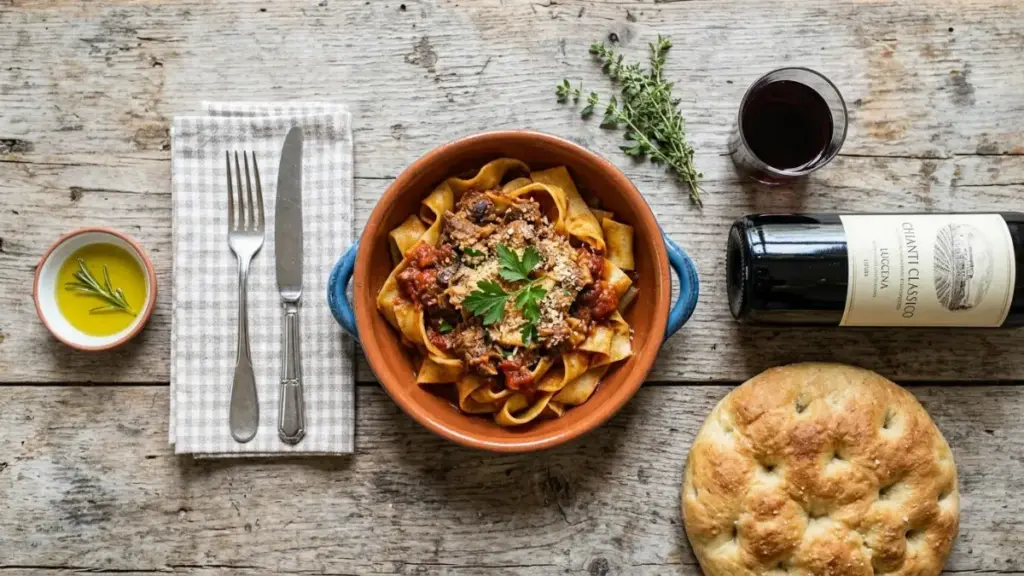
    Classic regional combinations represent centuries of natural trial and error. Pairing Chianti with Tuscan tomato ragù works seamlessly because both share high acidity tailored to local soil compositions.

    Aligning Herbal Notes Between Seasonings and Glass Aromas

    Look for shared aromatic profiles in herbs and spices. A Cabernet Franc featuring herbal pyrazines matches roasted lamb rubbed with fresh rosemary and thyme perfectly.

    wine-pairing-guide-how-to-pair-wine-with-food-sauce-focus
    Focusing on sauce intensity for accurate wine pairing.

    Tip 3 – Focusing on Main Sauce Flavors Rather Than Raw Protein

    The single biggest mistake amateur hosts make is pairing exclusively with the base protein. The sauce coating the protein almost always dictates the dominant flavor profile of the dish.

    Matching Selections Based on Sauce Density and Richness

    A light chicken breast served in a tangy lemon caper sauce requires a delicate, high-acid white beverage, whereas the same chicken breast in a rich mushroom cream sauce demands a buttery Chardonnay.

    Adjusting Beverage Choices when Switching Sauce Categories

    Transitioning from acidic tomato marinara to heavy cheese sauces changes the equation entirely. Adjust your bottle choice to reflect sauce heavy weights rather than relying on the underlying poultry or meat.

    Common Wine Pairing Mistakes That Ruin Delicious Meals

    Even high-quality bottles can taste disappointing if matched incorrectly. Recognizing frequent pitfalls protects your investment and ensures your guests enjoy every single bite.

    wine-pairing-guide-how-to-pair-wine-with-food-seafood-mistakes
    Avoiding severe flavor clashes in seafood wine pairing.

    The Disaster of Pairing Heavy Reds with Fresh Seafood

    Combining high-tannin red selections with fresh seafood is a recipe for culinary disappointment. The chemical reaction between fish oils and tannins creates harsh, metallic off-flavors.

    The Metallic Aftertaste Risk of Tannins and Fish Oils

    Tannins react aggressively with fish oils, creating an unpleasant metallic taste on the tongue. Avoid heavy Cabernet Sauvignon when serving delicate fresh seafood or sushi dishes.

    Superior Alternatives Using Light Whites or Dry Rosé Options

    Opt for light, crisp white selections or dry Rosé when enjoying delicate seafood. These choices preserve oceanic freshness while providing gentle acidity that enhances delicate flavors.

    Mastering wine pairing is an empowering journey that turns every home meal into a memorable restaurant-quality celebration of flavor and creativity.

    Michael Vance
    wine-pairing-guide-how-to-pair-wine-with-food-temperature-control
    Temperature management for successful wine pairing.

    Overlooking Serving Temperatures That Destroy Culinary Synergy

    Serving temperature drastically alters how alcohol, tannin, and fruit notes present themselves. Incorrect temperatures conceal subtle aromatics and ruin otherwise perfect meal combinations.

    Overheated Red Varieties Highlighting Alcohol Burn

    Serving red bottles too warm causes alcohol vapors to overpower delicate food aromas. Warm red selections taste harsh and flabby, obscuring subtle seasoning nuances in your meal.

    Rapid Chilling Methods Approved by Professional Restaurants

    Chill warm bottles quickly using an ice bath containing equal parts cold water and salt. This professional restaurant technique lowers temperatures safely in under fifteen minutes without damaging delicate flavors.

    Elevating Wine Pairing Skills for Home Dinners and Events

    Hosting memorable multi-course dinners requires strategic planning. Implementing systematic tasting order and practical experimentation builds confidence and sharpens your culinary intuition.

    wine-pairing-guide-how-to-pair-wine-with-food-menu-planning
    Structuring multi-course menus using systematic wine pairing.

    Building Flexible Multi-Course Menus with Corresponding Glasses

    Constructing a multi-course tasting menu demands careful progression. Serving light beverages first prevents palate fatigue and ensures each course builds excitement naturally.

    Proper Serving Progression from Light to Bold Profiles

    Always serve light, high-acid selections before transitioning into full-bodied, heavy tannic varieties. Similarly, dry styles must always precede sweet dessert options to keep tastebuds sharp.

    Selecting Versatile Crowd-Pleasing Bottles for Large Groups

    When serving diverse crowds, select highly versatile option styles like Pinot Noir or dry Riesling. These adaptable choices bridge multiple flavor profiles effortlessly during group meals.

    Read more: 3 Genius Swaps To Make Lemon-Yuzu Drinks Using Your Blueberry and Lemon Tart Ingredients

    wine-pairing-guide-how-to-pair-wine-with-food-palate-training
    Developing palate intuition through comparative wine pairing.

    Training Your Palate at Home Through Comparative Tasting

    Developing expert intuition requires hands-on practical experience. Experimenting with deliberate taste tests builds muscle memory and helps you understand personal flavor preferences.

    Comparative Tasting Techniques Before and After Food Bites

    Sample your beverage before taking a bite, then immediately sample it again after tasting the food. Notice how fat, salt, and acid dramatically alter perceived beverage characteristics.

    Keeping a Personalized Tasting Journal to Record Successes

    Documenting successful dynamic matches helps build your personal culinary playbook. Note specific sauce ingredients, beverage varieties, and personal enjoyment scores for future entertaining reference.

    Frequently Asked Questions About Wine Pairing

    wine-pairing-guide-how-to-pair-wine-with-food-faq-session
    Answering common questions regarding wine pairing techniques.

    What Is the Safest Beverage Choice for Complex Fusion Dishes?

    Dry sparkling options or versatile, high-acid whites like Riesling offer maximum flexibility. Their vibrant acidity handles complex spice blends, sweetness, and varying fat levels seamlessly.

    wine-pairing-guide-how-to-pair-wine-with-food-versatile-picks
    Selecting versatile options for everyday wine pairing.

    Should I Pair Beverages Based on Protein or Sauce?

    Always prioritize sauce intensity over raw protein. Heavy reduction sauces or rich cream coatings dictate the dominant palate impact far more than underlying white or red meats.

    wine-pairing-guide-how-to-pair-wine-with-food-red-wine-fish
    Pairing light red varieties with fish in modern wine pairing.

    Can You Successfully Serve Red Varieties with Fish Dishes?

    Yes, provided you choose low-tannin red selections like Pinot Noir or Gamay. Ensure the fish is paired with rich, earthy sauces like mushroom or red wine reductions to bridge flavors smoothly.

    Summary: Mastering Wine Pairing Effortlessly

    Mastering wine pairing does not require years of sommelier training or complex technical jargon. By focusing on fundamental taste interactions—balancing rich fats with bright acidity, matching overall flavor weight, and prioritizing sauce profiles—you can confidently transform any everyday home meal into an extraordinary culinary experience. Start experimenting with these simple chef-backed strategies today, trust your evolving palate, and enjoy the delicious journey of culinary discovery.

    wine-pairing-guide-how-to-pair-wine-with-food-conclusion-toast
    Celebrating successful meal combinations with expert wine pairing.

    PLEASE LEAVE A COMMENT TO SHARE YOUR FAVORITE THOUGHTS OR FOLLOW OUR BLOG FOR THE LATEST UPDATES.