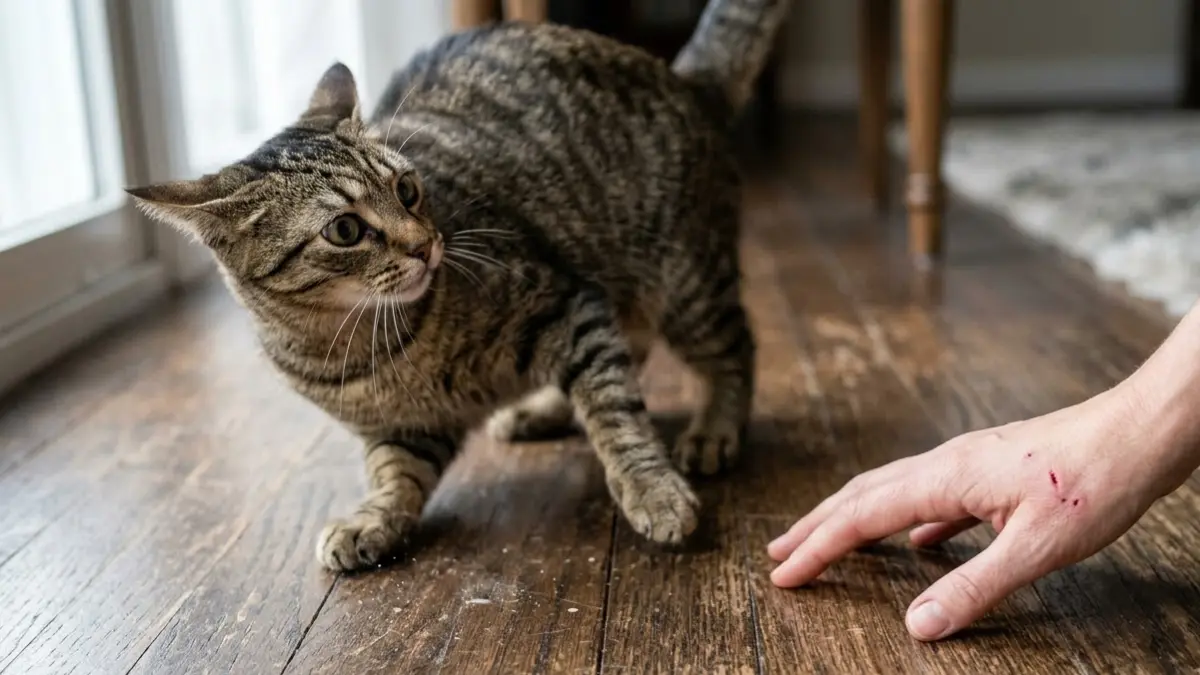
Dealing with a cat that suddenly “goes crazy” and attacks can be frightening and painful. When a friendly pet turns aggressive, immediate action is needed to de-escalate the situation and keep everyone safe. Beyond the behavioural shock, a deep cat bite poses a severe medical risk that pet owners must never ignore. Because of the bacteria in a cat’s mouth, even minor-looking puncture wounds can quickly lead to dangerous infections. Here is your essential medical guide on how to handle sudden cat aggression, properly treat deep bite wounds, and correct bad biting habits before they escalate.
A deep cat bite is an immediate clinical priority that requires urgent antibacterial washing and medical evaluation within twenty-four hours because sharp feline teeth inject dangerous pathogens directly into deep tissue layers.
Dangerous Misconceptions About Light Cat Bite Wounds and Medical Infection Risks
Many pet owners underestimate the true danger of a minor cat bite, assuming that a small skin puncture is inherently less hazardous than a large dog tear. This dangerous misconception frequently leads to delayed treatment, allowing virulent bacteria to propagate rapidly beneath sealed epidermal layers.
Why Pet Owners Ignore Biting in Kittens and Adult Cats
It is dangerously common for owners to dismiss early aggressive tendencies in young felines as harmless play. When a kitten nips at fingers, owners often view it as endearing rather than addressing it as a foundational behavioral problem that will escalate as the animal matures.
The Misconception That Small Feline Teeth Cause No Serious Damage
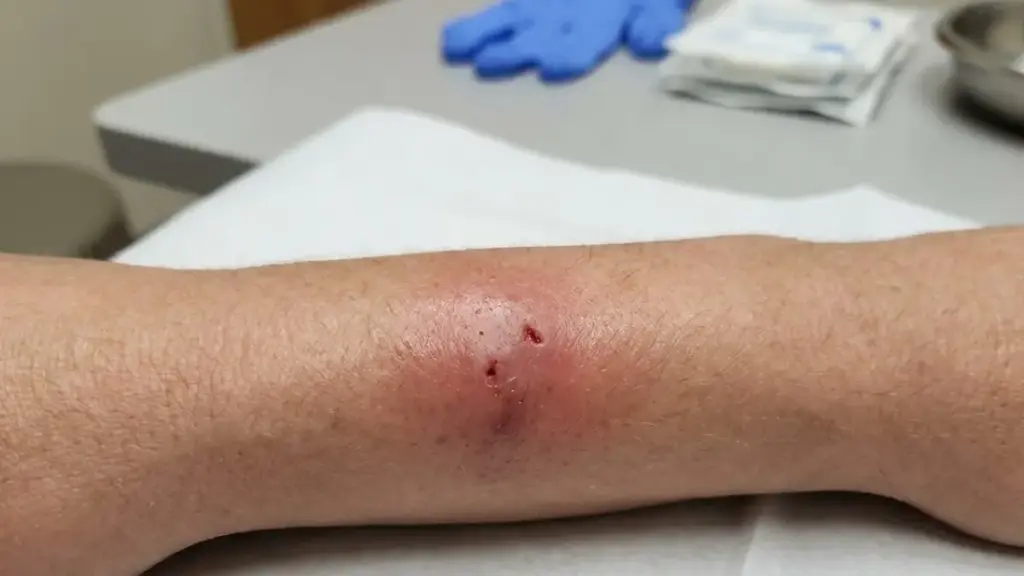
Because feline teeth leave tiny, neat surface entry points rather than open lacerations, people incorrectly assume the injury is trivial. However, the physical mechanics of a cat bite function precisely like a dirty hypodermic needle, driving surface flora and oral pathogens deep into subcutaneous tissue without leaving an obvious outer tear.
Ignoring Initial Mild Swelling Allows Deep Bacterial Spread
Initial mild erythema and minor localized swelling are often brushed off as simple tissue irritation. Over a few hours, this negligence allows anaerobic microorganisms from a cat bite to multiply rapidly inside enclosed tissue pockets, transforming a minor nip into a severe systemic health crisis.
Prioritizing prompt medical care after a severe cat bite while addressing behavioral root causes protects both your physical well-being and your long-term relationship with your pet.
Anna Miller

Dangerous Medical Mechanisms Hidden Behind Deep Cat Bite Wounds
The anatomical structure of a feline jaw creates unique clinical hazards that set feline injuries apart from almost all other domestic animal attacks. The structural shape of sharp canine teeth allows deep pathogen inoculation with minimal external trauma.
Needle-Like Canine Teeth Inject Pasteurella Multocida Deep Into Muscles and Joints
Feline canines easily pierce deep fascia, tendinous sheaths, and joint capsules. During a severe cat bite, bacteria such as Pasteurella multocida are deposited directly into avascular or low-blood-flow zones where immune responses are delayed, accelerating local tissue destruction.
Small Puncture Wounds Close Quickly, Creating Anaerobic Bacterial Chambers
Unlike open tears, puncture entry points seal rapidly at the surface skin level. This physical closure traps virulent pathogens in an oxygen-deprived environment, creating ideal anaerobic conditions for a cat bite infection to thrive and rapidly expand into surrounding tissues.
Unraveling Why Cats Suddenly “Go Crazy” and Attack Their Owners
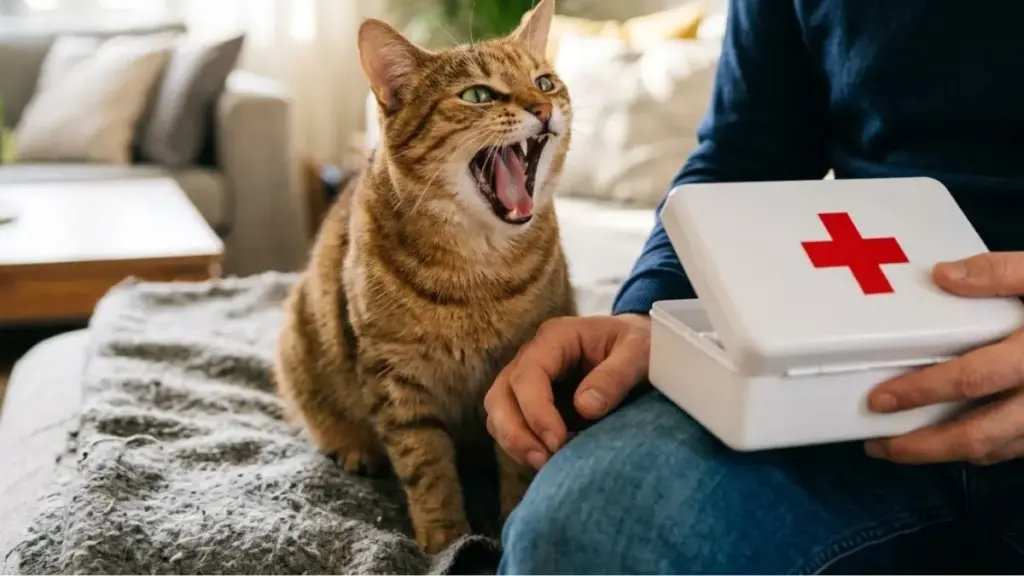
Understanding why a previously calm animal suddenly displays violent behaviors is crucial for long-term safety and preventing a recurrent cat bite. Sudden aggression is rarely unprovoked; it is almost always a symptom of physiological pain, environmental stress, or mismanaged play habits.
Distinguishing Play Biting in Young Cats From Sudden Uncontrolled Rage
Differentiating between juvenile play development and genuine aggressive outbursts helps owners react appropriately without escalating fear or hostility in their pets.
Lack of Physical Stimulation and Using Hands as Toys Escalates Bite Force
Allowing young cats to chase human hands during play conditions them to treat human skin as prey. Without structured play using wand toys, an energetic young feline fails to develop proper bite inhibition, resulting in an unexpected cat bite during routine interactions.
Overstimulation Syndrome Triggers Sudden Defensive Attacks During Petting
Petting a feline for too long can overload its nervous system. When sensory thresholds are crossed, the animal experiences acute physical discomfort, leading to a sudden, instinctive cat bite meant to force the human to stop touching it immediately.

Underlying Medical Conditions That Cause Sudden Behavioral Changes
When an older or normally gentle cat suddenly lashes out, the primary culprit is often an unaddressed physical ailment or internal pain rather than a sudden psychological shift.
Hidden Internal Pain and Joint Trauma Trigger Fierce Self-Defense
Felines naturally conceal physical weakness and discomfort. When touched on an injured limb or an arthritic back, their natural self-defense instinct is triggered, causing them to inflict a sharp cat bite on whoever touched the painful spot.
Environmental Stress and Redirected Aggression Outbursts
When a cat sees an unfamiliar animal outside the window but cannot attack it, its heightened arousal remains trapped. If an owner approaches during this peak state of agitation, the feline may lash out with a severe cat bite, redirecting its territorial frustration onto the owner.
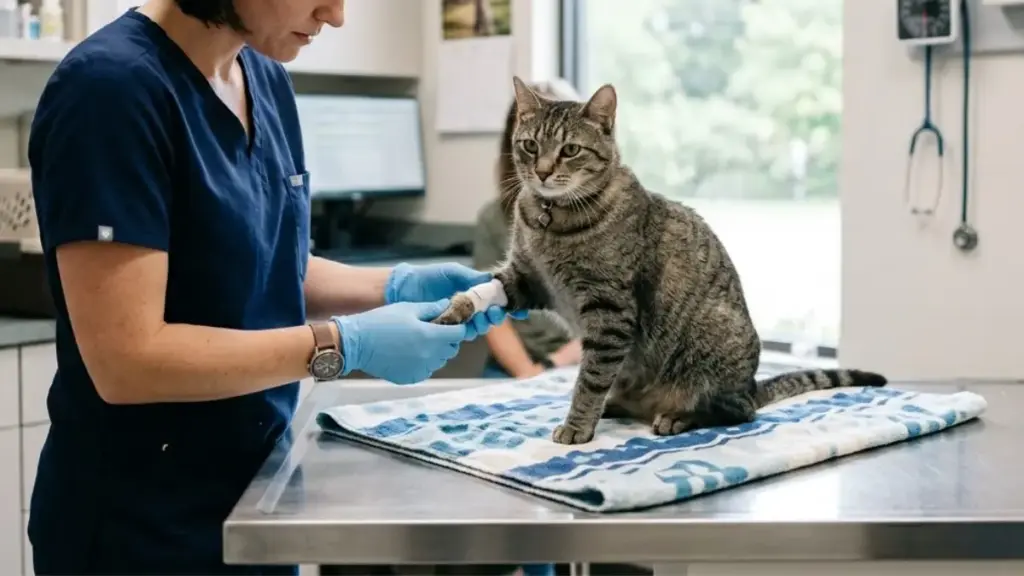
Emergency First-Aid Protocol Immediately Following a Cat Bite
Taking correct physical action within the first five minutes following a traumatic puncture significantly reduces the total bacterial load and decreases the likelihood of severe infectious complications.
[ruby_related heading=”More Read” total=5 layout=1 offset=5]
Immediate In-Home First-Aid Steps to Minimize Systemic Blood Infection
Proper immediate hygiene is the most effective defense against deep bacterial proliferation following a traumatic injury.
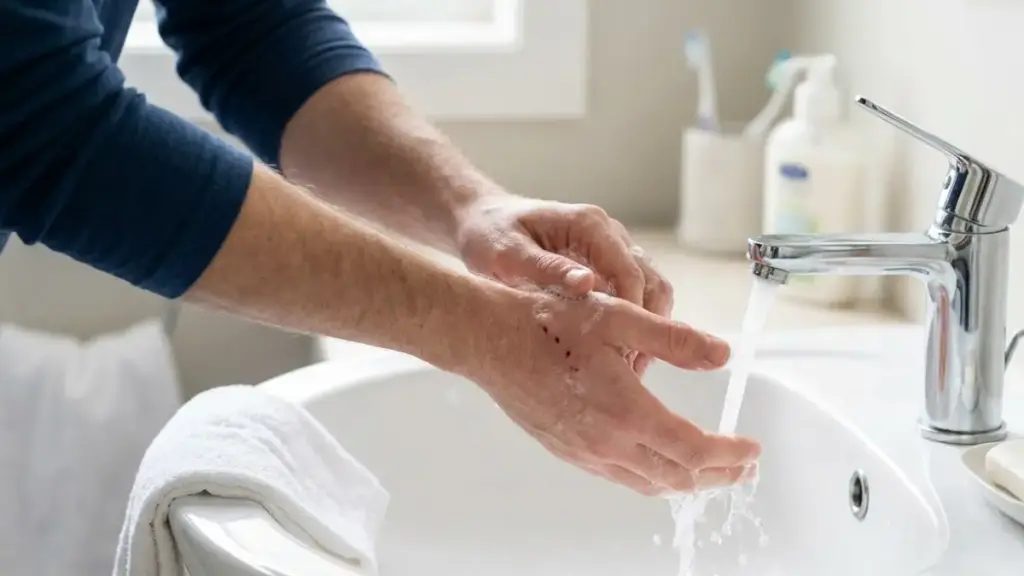
Flush the Wound Under Running Water With Antiseptic Soap for Five Minutes
Immediately hold the injured area under warm running water and flush it continuously with antiseptic soap for at least five full minutes. Mechanical flushing pushes bacteria out of the deep puncture channels created by a fresh cat bite, drastically lowering pathogen concentration.
Apply Povidone-Iodine and Leave the Wound Unsealed
After washing, disinfect the area using a povidone-iodine solution. Avoid covering puncture wounds with tight, non-breathable bandages, as sealing the wound tightly can create an anaerobic environment that accelerates a cat bite bacterial outbreak.
Red-Flag Warning Signs Requiring Emergency Medical Care Within 24 Hours
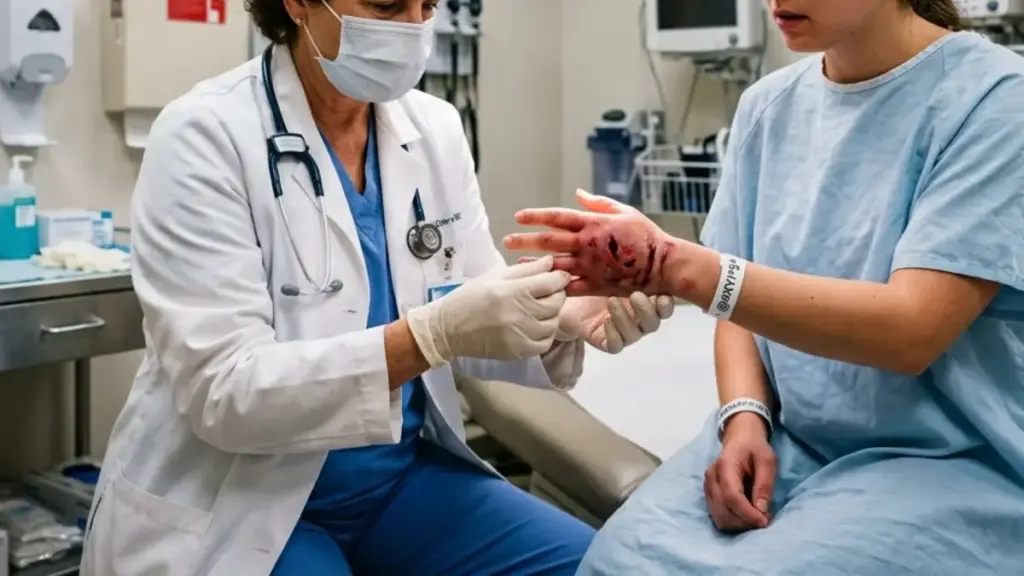
Certain anatomical locations and progressive physical symptoms require urgent medical evaluation, systemic prescription antibiotics, or professional surgical irrigation.
Rapidly Spreading Redness, Heat, Purulent Drainage, or High Fever
If the area around the injury turns hot to the touch, develops expanding red streaks, oozes pus, or is accompanied by systemic fever, the cat bite infection has spread into deeper tissue layers and requires professional medical intervention immediately.
Bites Located on High-Risk Areas Like Hands, Wrists, or Near Joints
Punctures on the hands, wrists, and feet are exceptionally dangerous due to thin subcutaneous tissue layers. A cat bite in these areas can directly inoculate tendon sheaths and joint capsules, causing severe tenosynovitis or permanent mobility loss if left untreated.
Read more: What to Do When Your Pet Is Bitten by a Stray Cat: 7 Urgent First Aid Steps to Prevent Rabies
Long-Term Behavioral Modification Strategies to Prevent Recurrent Cat Bites
Stopping aggressive behaviors permanently requires establishing clear boundaries, modifying environmental triggers, and implementing consistent behavioral conditioning techniques.
Establishing Interaction Boundaries and Correcting Biting Responses
Owners must learn to recognize subtle behavioral signs of frustration and adjust their own actions before the animal feels compelled to strike.
Implementing Immediate Time-Out Interventions Without Physical Punishment
If your pet nips during play, immediately freeze, emit a calm negative sound, and walk away into another room for several minutes. Withdrawing all attention teaches the animal that a cat bite results in the instant termination of all social play. Physical punishment must never be used, as violence escalates feline fear and heightens future aggression.
Introducing Interactive Chew Toys and Increasing Daily Exercise Routines
Redirect natural predatory instincts away from human limbs by providing structured play sessions with wand toys and durable chew items daily. Channeling excess physical energy reduces boredom-induced frustration, effectively preventing an unexpected cat bite in the home environment.

Maintaining a Safe, Low-Stress Environment for Long-Term Behavioral Health
Minimizing environmental stressors stabilizes a cat’s mood and minimizes defensive behavioral outbursts.
Creating Dedicated Safe Spaces for Stress Relief
Ensure your home includes elevated perches, covered hiding boxes, and quiet retreat zones where your pet can rest undisturbed. Giving the animal control over its physical space reduces chronic anxiety, eliminating the fear responses that trigger a sudden cat bite.
Scheduling Regular Veterinary Check-Ups to Prevent Pain-Induced Aggression
Routine health screenings help identify dental disease, kidney issues, or joint arthritis early. Managing chronic health conditions prevents pain-induced irritability, ensuring your pet remains gentle and preventing future cat bite occurrences.

Frequently Asked Questions About Cat Bite Risks and Behavior
How Fast Can a Cat Bite Turn Into a Serious Infection?
A deep puncture wound can show severe signs of bacterial infection in as little as 3 to 12 hours. The sharp canine teeth push oral bacteria deep into tissues, where rapid multiplication causes swelling, severe pain, and systemic fever quickly.
Should I Always Take Oral Antibiotics After a Deep Cat Bite?
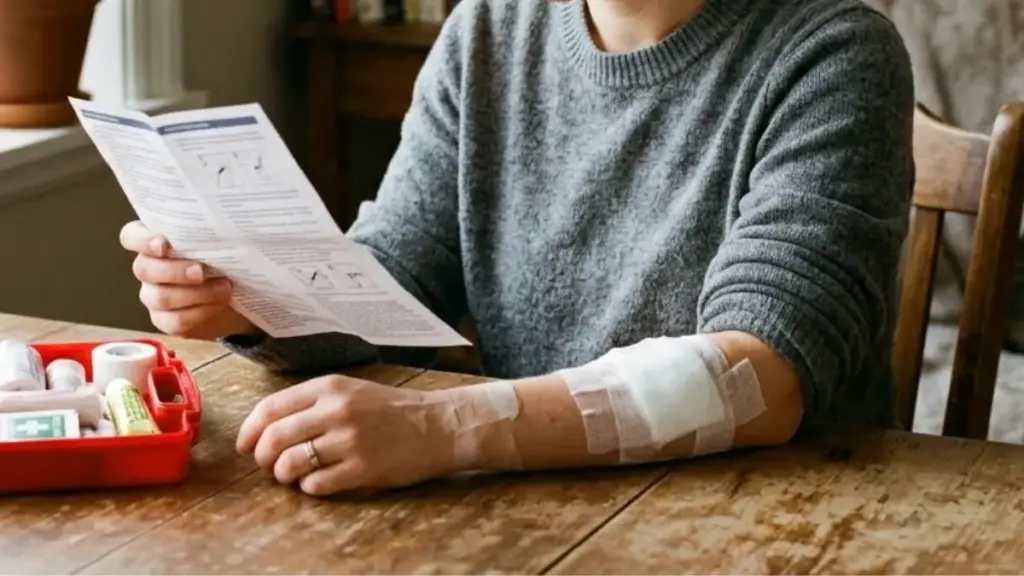
Because over 50% of feline puncture wounds result in serious bacterial infections, medical professionals frequently prescribe prophylactic oral antibiotics. You should always seek professional medical evaluation after a deep cat bite, especially if the wound is located on your hands, wrists, or feet.

How Can I Safely Separate Fighting Cats Without Getting a Cat Bite?
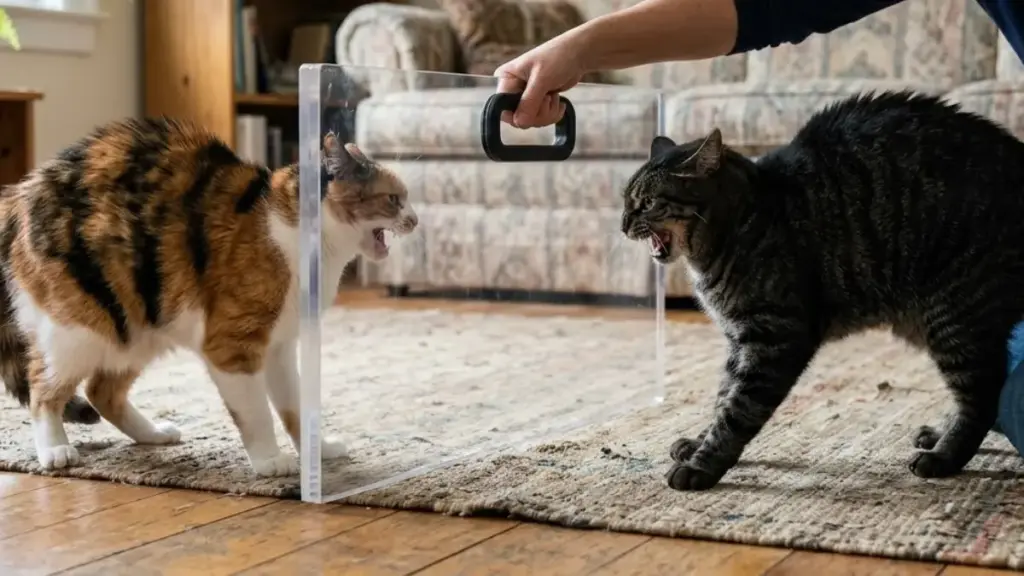
Never put your hands directly between fighting animals. Use a loud noise, spray a gentle mist of water, or place a large piece of cardboard between them to break visual contact. You can also throw a thick blanket over one cat to safely isolate it without receiving a severe cat bite.
Comprehensive Conclusion: Protecting Your Health and Managing Cat Bite Risks Safely
Navigating feline behavioral challenges while protecting your personal health requires a balanced approach of medical vigilance and patient behavioral management. A sudden puncture wound should never be ignored, nor should an aggressive episode be dismissed as untreatable temperamental flaw.
By recognizing that a deep cat bite carries significant clinical risks requiring immediate flushing and medical care, you safeguard yourself against severe infectious complications. Simultaneously, addressing the underlying stress, overstimulation, or pain responsible for feline aggression fosters a safe, harmonious home. Prioritize immediate first aid, consult healthcare professionals promptly for deep puncture wounds, and work consistently with veterinary experts to correct behavioral triggers effectively.
PLEASE LEAVE A COMMENT TO SHARE YOUR FAVORITE THOUGHTS OR FOLLOW OUR BLOG FOR THE LATEST UPDATES.
Leave a Reply