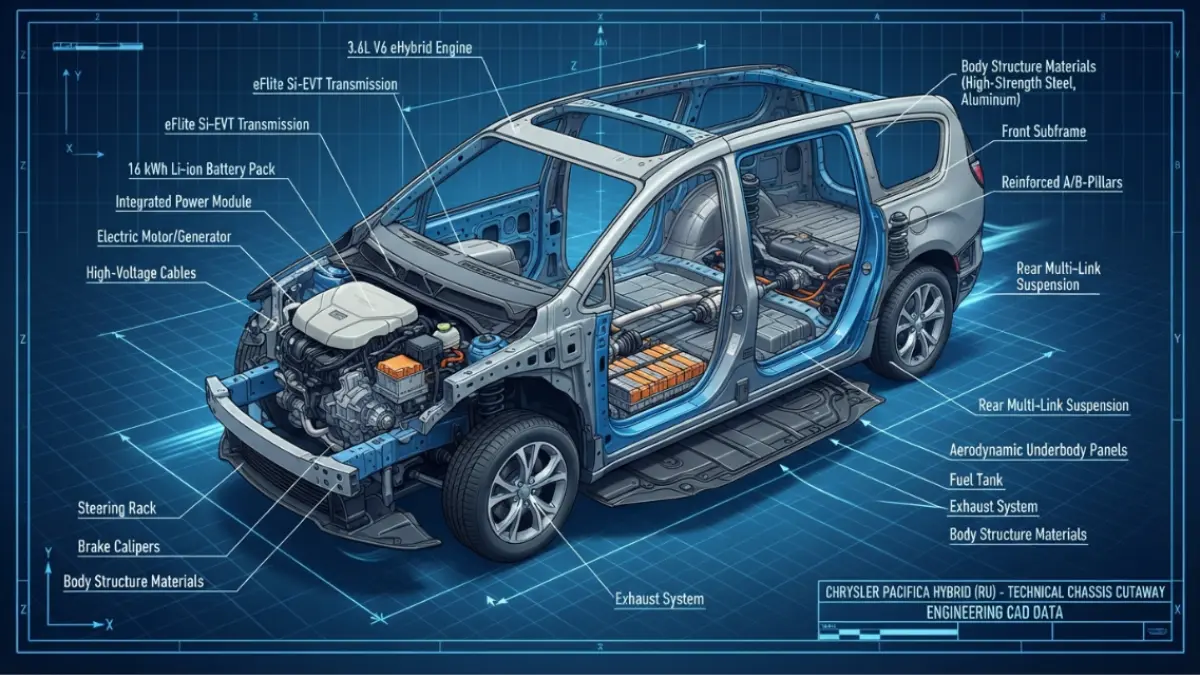
When traditional sedan lineups were systematically discontinued, the Chrysler Pacifica emerged as the solitary shield protecting a storied automotive brand from total obscurity.
Amidst volatile market fluctuations and intense pressure from corporate parent Stellantis sales reports, this flagship family hauler represents far more than a standard passenger vehicle; it carries the absolute survival weight of an entire Detroit legacy. Understanding this monumental responsibility requires an objective look at how a single vehicle continues to redefine retail market dynamics and commercial resilience.
The Monumental Burden: When Chrysler Relies Exclusively on Pacifica
The modern automotive landscape is littered with once-dominant marques that faded into obscurity after failing to adapt to shifting consumer demands. Within this high-stakes arena, Chrysler currently finds itself in a uniquely vulnerable position. Following years of corporate restructuring and product line reduction, the storied American brand has been whittled down to a single high-volume passenger vehicle offering.
This extraordinary situation places an immense operational burden on the Chrysler Pacifica, transforming a conventional family hauler into the literal anchor of corporate survival. Industry analysts tracking the broader American automotive market frequently point out that no other major manufacturer relies so heavily on one specific nameplate to sustain its entire retail presence across national dealership networks.
| Corporate Portfolio Reduction Strategy | Description & Status |
| Historical Sedans | Discontinued variants including the 300 and 200 models |
| Legacy Crossovers | Reassigned or phased out to streamline manufacturing |
| Sole Surviving Core Platform | Chrysler Pacifica acting as the exclusive high-volume offering |
To fully comprehend this phenomenon, one must examine the strategic decisions that led to the contraction of the brand lineup. Over the past decade, shifting consumer preferences away from traditional sedans toward SUVs and crossovers forced parent conglomerates to streamline manufacturing footprints.
While competitors diversified their portfolios across multiple segments, corporate decisions narrowed Chrysler down to minivans and select legacy variants. Consequently, the Chrysler Pacifica became the solitary pillar upholding dealer showroom traffic, parts distribution networks, and brand recognition. Without this vehicle bridging the gap between past prestige and modern utility, the overarching corporate identity risks complete dissolution in an intensely competitive global market.
Portfolio Contraction and the Disappearance of Iconic Sedans
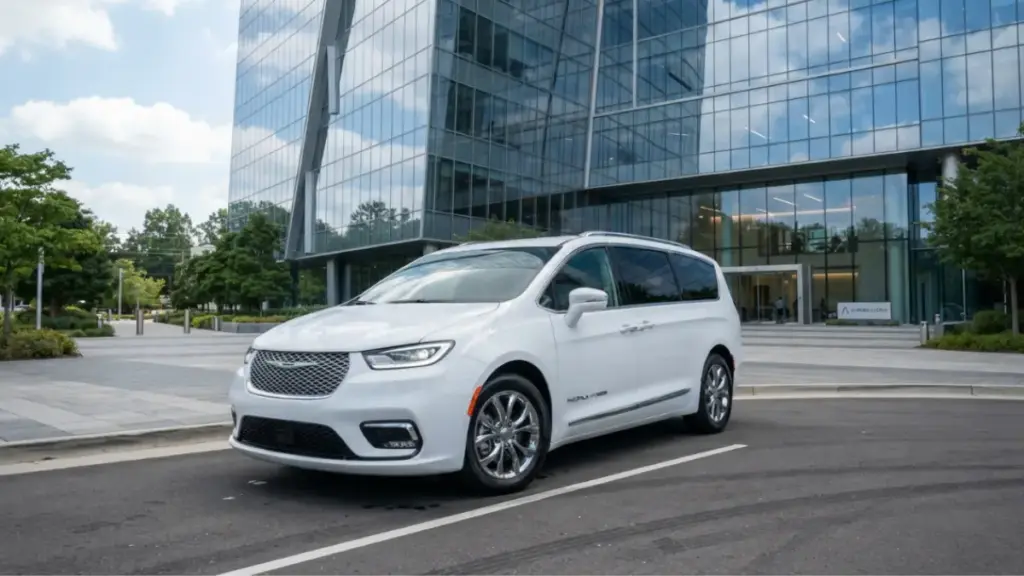
The gradual phasing out of legendary nameplates such as the Chrysler 300 sedan marked the end of an era for rear-wheel-drive American luxury. For decades, these sedans defined the corporate image, projecting authority, classic proportions, and accessible prestige.
However, tightening fuel economy standards, shifting generational preferences, and escalating manufacturing costs rendered traditional large sedans economically unviable for mass-market expansion. As assembly lines were retooled, engineering resources were funneled away from passenger cars, leaving a massive vacuum in the brand catalog.
Read more: Mercedes Maybach V12: 5 Secrets The Ultra Rich Know
This strategic retreat inadvertently thrust the Chrysler Pacifica into the spotlight, forcing a family-oriented transport vehicle to carry the historical weight previously distributed across multiple vehicle classes.
| Era Comparison | Strategic Brand Focus |
| Era of the 2010s | Multiple sedans, crossovers, and diverse passenger cars |
| Present Era | Single monoculture anchored exclusively by the Chrysler Pacifica |
This drastic portfolio reduction created unique challenges for dealership franchises. Dealerships that once offered a comprehensive showroom featuring entry-level sedans, mid-size offerings, and flagship cruisers suddenly had to rely on a single vehicle architecture to attract diverse demographics. Sales representatives had to pivot their pitch entirely toward families, rideshare operators, and commercial fleet buyers.
The adaptability of the Chrysler Pacifica design parameters proved instrumental in surviving this transition, yet the long-term risk of monocultural reliance remains a central talking point among industry observers and financial auditors alike.
The Lifeline Role in Sustaining Brand Presence and Dealer Networks
Survival in the modern automotive industry requires maintaining a critical threshold of retail volume to justify national advertising campaigns, warranty service networks, and supply chain logistics. Without the steady production runs generated by the Chrysler Pacifica, maintaining these extensive support systems would become financially untenable for the corporate parent.
Every unit leaving the assembly plant contributes directly to overhead distribution, parts manufacturing contracts, and dealer profitability. This symbiotic relationship turns the vehicle into a financial lifeline, ensuring that the brand name remains active in registration databases and consumer consideration sets across North America.
“Discipline is the bridge between remote aspirations and professional accomplishments, turning chaotic schedules into streamlined engines of success.”
Jade
Furthermore, the existence of this single surviving model preserves institutional knowledge within the engineering and design teams. Retaining specialized talent for vehicle assembly, software calibration, and supply chain management is exceedingly difficult when production lines go dormant.
By keeping the manufacturing pipeline active, the Chrysler Pacifica sustains the vital technical infrastructure required for any potential future brand expansion or platform revival. Thus, its ongoing production represents far more than immediate quarterly revenue; it acts as a strategic placeholder for the future of American family transportation engineering.
Dissecting Stellantis Sales Reports and Family Minivan Market Share
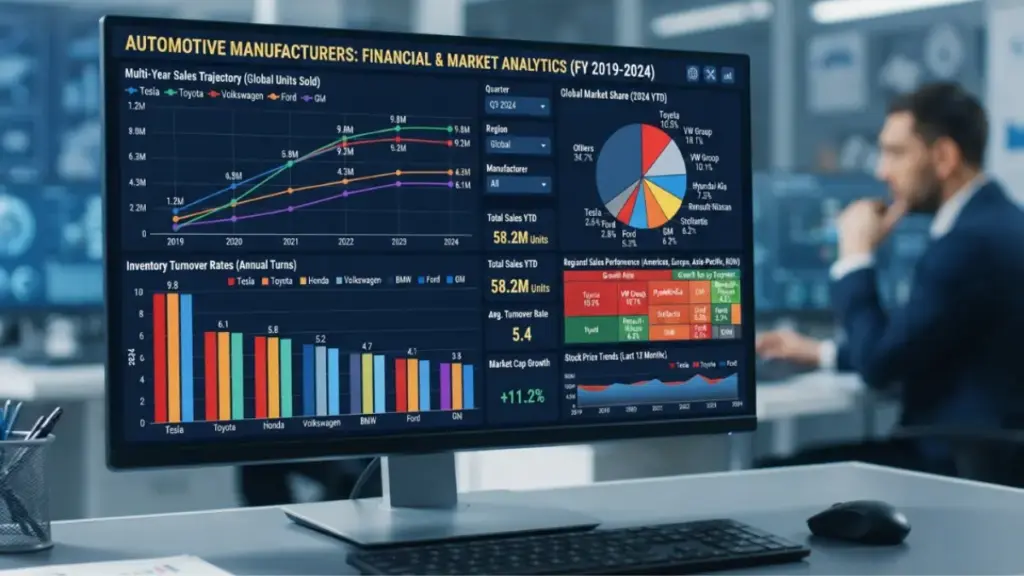
Navigating corporate financial disclosures requires examining quarterly production figures, delivery metrics, and inventory turnover ratios published by automotive conglomerates. Within recent fiscal disclosures from Stellantis, the performance of the Chrysler Pacifica is frequently highlighted as a stabilizing metric amidst volatile market conditions.
While other passenger car segments experience severe contraction, the minivan sector maintains a dedicated, albeit specialized, consumer base. Understanding how these sales numbers influence broader corporate strategy provides clear insight into why management continues to prioritize this specific platform over experimental greenfield projects.
| Sales Volume Category | Estimated Market Proportion |
| Fleet Sales Percentage | Approximately 20% to 30% of total output |
| Retail Family Deliveries | Approximately 70% to 80% of total output |
| Annual Production Output | Exceeding 100,000 units consistently |
Market research data indicates that family haulers occupy a resilient niche where utility consistently supersedes transient styling trends. Even as full-size SUVs dominate discussions regarding large-format transport, minivans offer unmatched interior packaging efficiency, lower step-in heights, and superior fuel economy.
The Chrysler Pacifica captures a substantial portion of this specialized demographic, securing steady cash flow for the parent organization. By maintaining consistent delivery numbers quarter after quarter, the vehicle buffers the corporation against macroeconomic fluctuations and supply chain disruptions affecting more volatile segments of the global market.
Exceeding the One Hundred Thousand Annual Unit Threshold
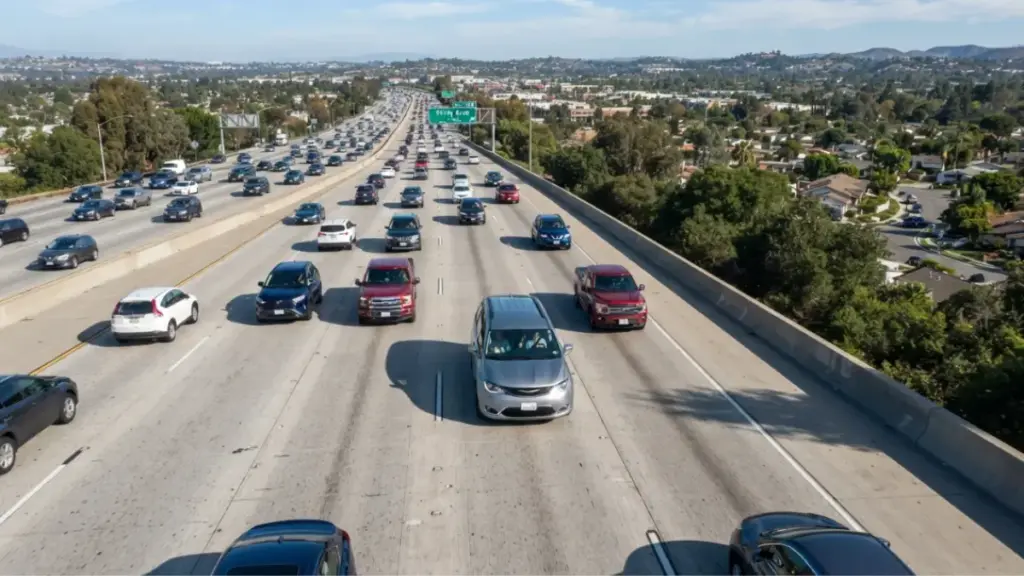
Achieving a six-figure annual delivery volume is a significant benchmark for any individual vehicle line in the North American market, particularly within a specialized class like multi-purpose vehicles.
The Chrysler Pacifica consistently hovers around or exceeds this critical production threshold, defying predictions of the total obsolescence of the segment. This sustained consumer demand stems from a loyal buyer demographic that prioritizes functional space, multi-passenger comfort, and advanced safety credentials over traditional automotive prestige. Dealership networks rely heavily on these volume numbers to maintain baseline profitability through parts servicing and routine maintenance contracts.
Maintaining this level of output requires continuous adjustments to manufacturing logistics, component sourcing, and assembly line efficiency. Supply chain bottlenecks affecting microchips, electrical wiring harnesses, and specialized interior polymers have repeatedly threatened production schedules.
However, corporate supply managers prioritize the Chrysler Pacifica assembly lines due to their high financial criticality. Ensuring that these vehicles continue rolling out of assembly plants prevents dealership lots from standing empty, safeguarding the commercial viability of retail franchises dependent on steady product inventory.
Commercial Fleet Acquisitions and Overall Market Footprint
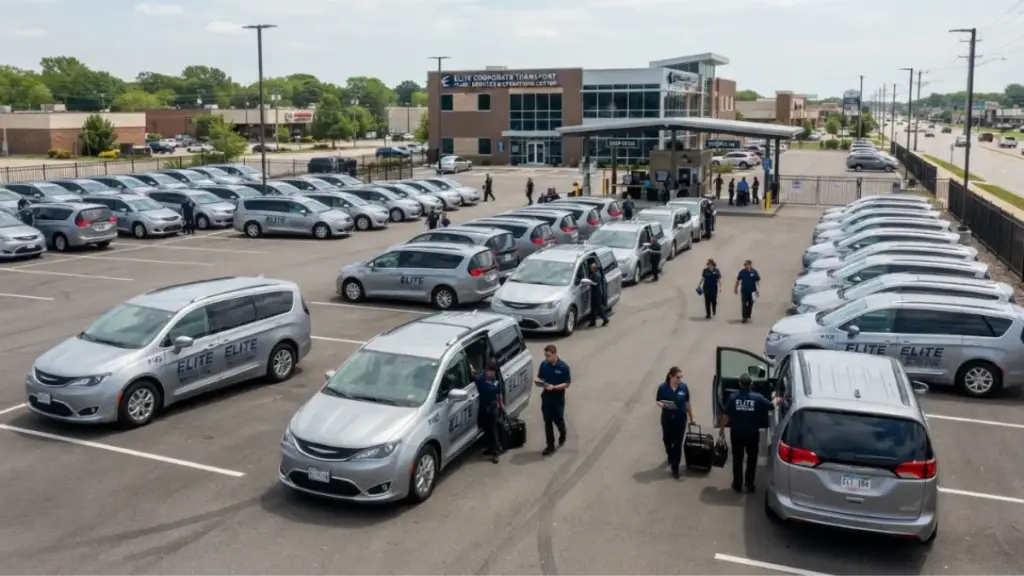
While retail sales to individual families form the emotional and financial core of the brand, commercial fleet agreements and rental car company acquisitions play a secondary yet influential role in overall volume distribution.
Historically, American automakers utilized rental fleets to boost production numbers, sometimes at the expense of residual vehicle values. Modern inventory management for the Chrysler Pacifica balances fleet distribution much more cautiously, ensuring that rental placements do not oversaturate secondary markets while still absorbing excess production capacity during seasonal lulls.
Fleet buyers appreciate the versatile interior packaging and high passenger capacity, making the vehicle a preferred choice for airport shuttle services, executive transport companies, and municipal agencies.
These commercial deployments act as rolling advertisements, exposing thousands of potential retail buyers to the comfort and convenience features of the Chrysler Pacifica in real-world operational settings. Consequently, strategic fleet placement reinforces broader brand awareness, converting temporary rental passengers into long-term private vehicle purchasers upon experiencing the platform firsthand.
Proprietary Utility Advantages and Real-World Minivan Performance
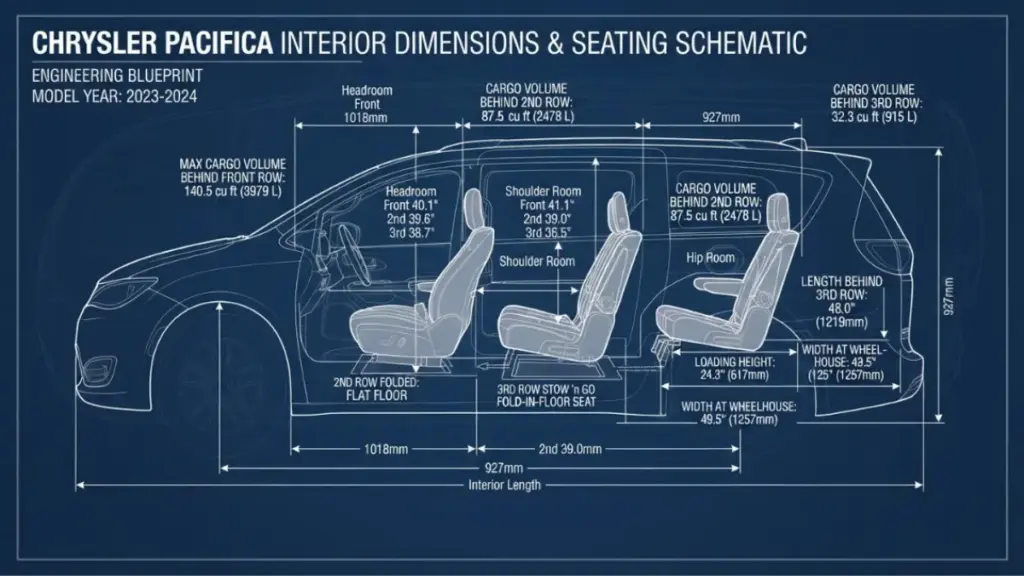
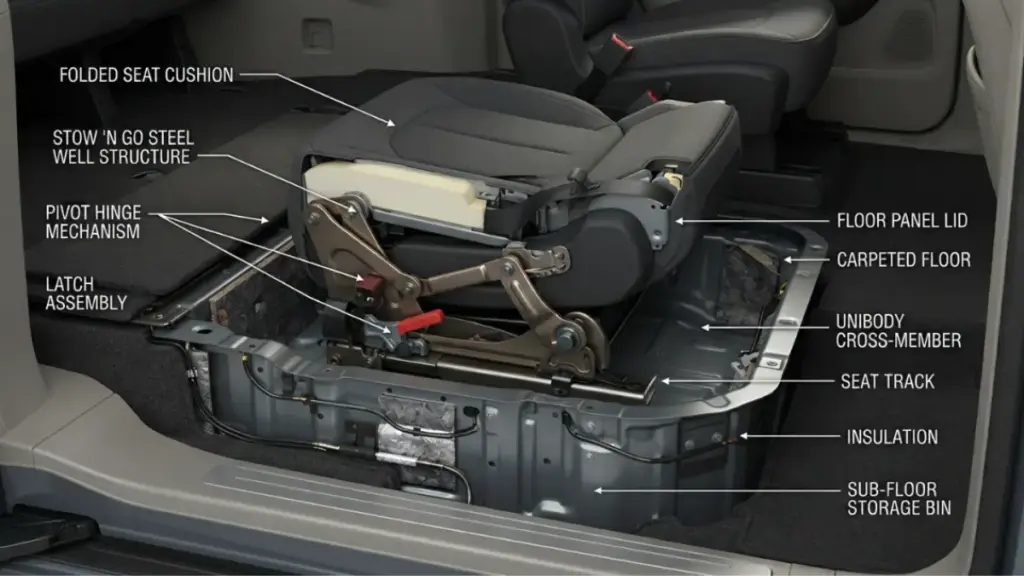
Competition within the family transport segment is fierce, featuring established multi-national contenders renowned for reliability, build quality, and resale value. To maintain its competitive edge, the Chrysler Pacifica relies heavily on proprietary innovations that redefine interior spatial flexibility. Chief among these differentiators is the ingenious seating architecture that allows second and third-row seats to fold completely flat into underfloor storage compartments.
[ruby_related heading=”More Read” total=5 layout=1 offset=5]
This single engineering feature eliminates the cumbersome, heavy muscle-work required to lift bulky bench seats out of competing vehicles, securing a massive advantage among consumer demographics that frequently alternate between passenger hauling and cargo transport.
| Feature Integration Aspect | Chrysler Pacifica Design Advantage |
| Second-Row Stowability | Folds completely flat into underfloor storage wells |
| Third-Row Folding Mechanism | One-touch electric or manual fold option into floor |
| Cargo Volume Capacity | Maximized flat floor space without removing seats |
Beyond seating mechanics, ride comfort and cabin ergonomics play pivotal roles in consumer purchasing decisions. Modern families undertaking cross-country road trips demand advanced connectivity, multiple USB charging ports across every row, integrated entertainment screens, and superior sound insulation.
The Chrysler Pacifica incorporates these amenities into a cohesive package designed to minimize cabin fatigue during extended journeys. By focusing engineering investments on user experience and daily operational convenience, the vehicle successfully defends its market share against aggressive cross-shopping from three-row mid-size crossovers.
The Stow ‘n Go Seating Architecture and Spatial Optimization
The engineering philosophy behind the Stow ‘n Go seating system represents one of the most successful packaging solutions in modern automotive history. Designing floor wells deep enough to swallow entire captain’s chairs without compromising structural rigidity, fuel tank placement, or exhaust routing required decades of iterative development.
For everyday users of the Chrysler Pacifica, this capability transforms the vehicle from a rigid passenger carrier into a versatile cargo van within seconds. Parents can transition from school carpools to hauling home improvement materials without lifting heavy seats out onto a garage floor.
This unmatched versatility creates high brand loyalty among repeat buyers. Once consumers experience the seamless transition between passenger seating and flat-floor cargo hauling, transitioning to a competing vehicle that lacks underfloor storage becomes unappealing.
The Chrysler Pacifica leverages this functional monopoly to retain its customer base across multiple vehicle lifecycles, proving that thoughtful interior engineering carries as much weight in purchase decisions as raw horsepower or exterior styling cues.
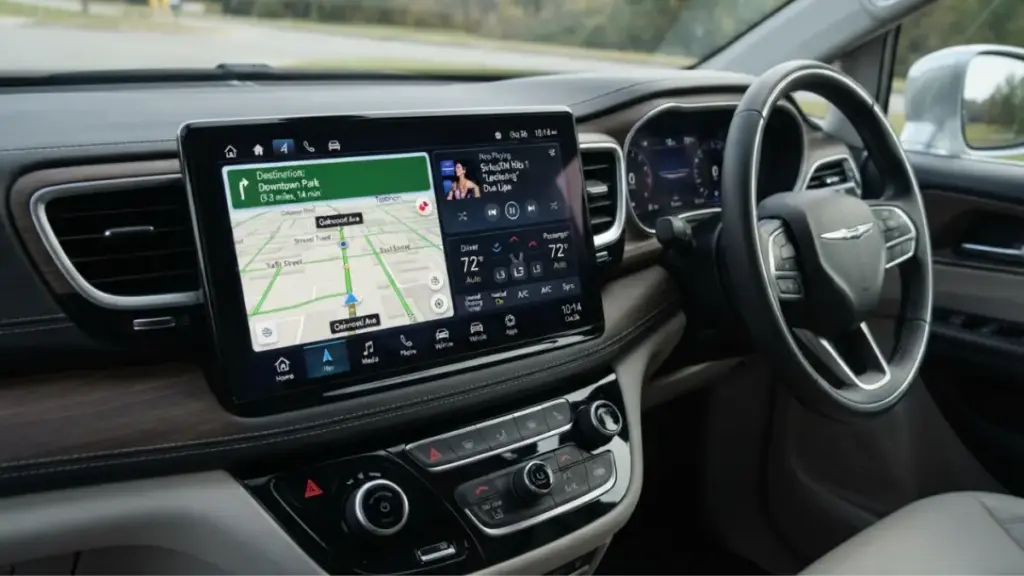
All-Wheel Drive Integration and Real-World Traction Benefits
For decades, traditional minivans were restricted exclusively to front-wheel-drive configurations, limiting their appeal in regions subject to harsh winter weather, heavy snowfall, and unpaved rural roads.
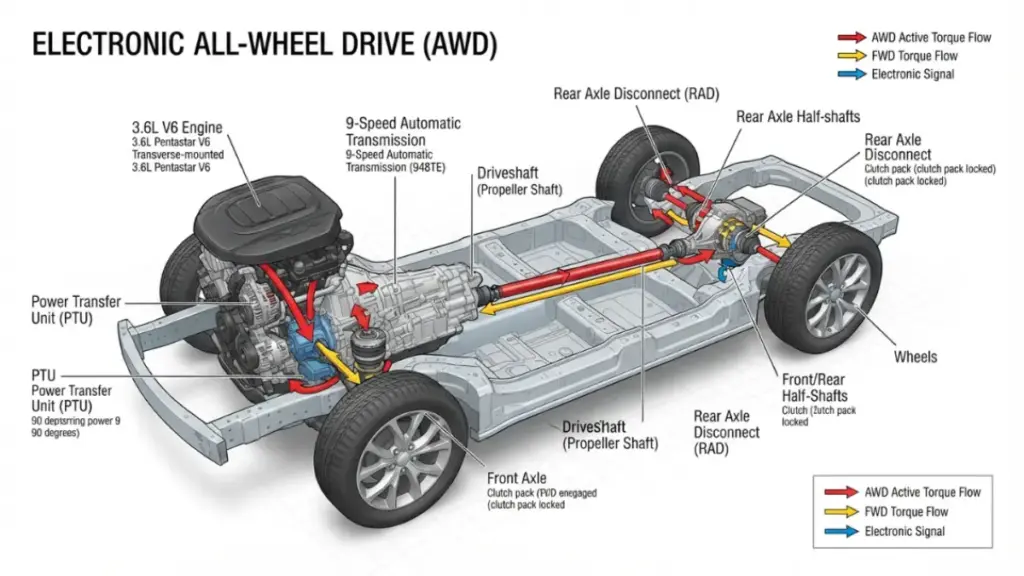
The integration of a fully automatic, torque-responsive All-Wheel Drive system transformed the utility profile of the Chrysler Pacifica. This system engages seamlessly whenever slip is detected at the front wheels, transferring power rearward to maintain traction without requiring manual driver intervention or sacrificing interior storage wells.
| Driving State Parameter | All-Wheel Drive System Response |
| Normal Road Conditions | Front-wheel drive engagement for optimal fuel economy |
| Low Traction Detected | Automatic rear torque transfer for enhanced grip |
| Stow ‘n Go Compatibility | Retained fully without structural compromise |
The engineering achievement of pairing an advanced AWD system with the signature Stow ‘n Go underfloor seating wells solved a long-standing compromise in the minivan category. Competitors often claimed that accommodating both features simultaneously was physically impossible due to spatial constraints beneath the floorpan.
By overcoming this engineering hurdle, the Chrysler Pacifica captured market share from adventure-seeking families who previously felt forced to purchase heavy, less efficient three-row SUVs solely to secure all-weather capability.
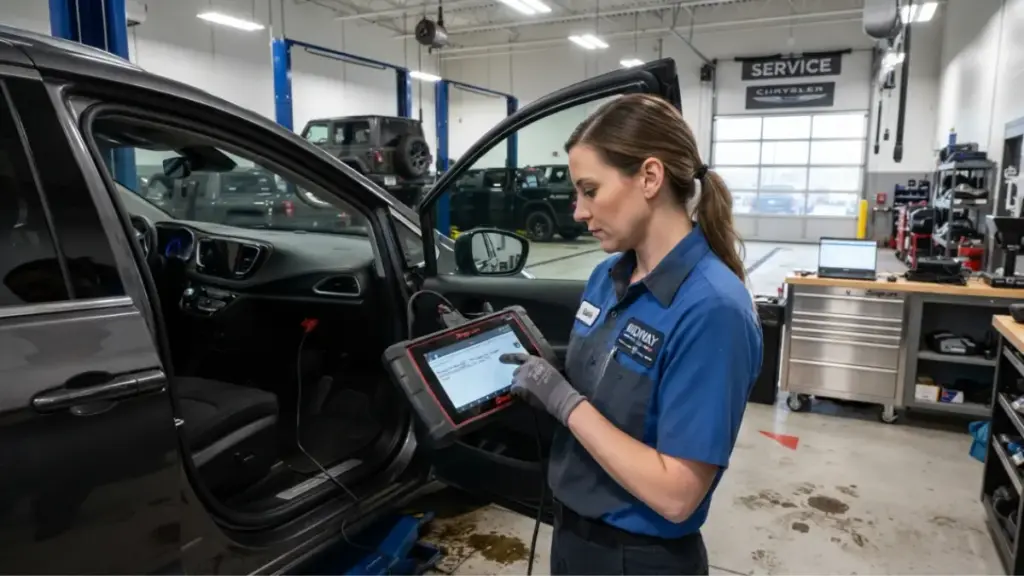
Reliability Challenges and Future Technology Innovation Pressures
Despite its numerous functional strengths, the market trajectory of the Chrysler Pacifica is not immune to criticism and operational hurdles. Automotive consumer forums, independent reliability studies, and long-term ownership reviews frequently highlight recurring challenges associated with complex electrical architectures, transmission software calibrations, and early-model build quality variations. As vehicles become increasingly reliant on interconnected digital control units, software glitches can frustrate owners and impact brand perception. Addressing these technical vulnerabilities is essential for preserving the long-term reputation of the vehicle in an industry where digital reliability matters just as much as mechanical durability.
Furthermore, the pressure to innovate within a rapidly electrifying global market places immense demands on engineering budgets. While the plug-in hybrid electric vehicle variant of the Chrysler Pacifica pioneered electrification within the segment, the broader automotive world is accelerating rapidly toward full battery-electric architectures and autonomous driving capabilities. Funding these next-generation research and development initiatives requires consistent financial returns from current internal combustion and hybrid production models, creating a delicate balancing act for the corporate parent.
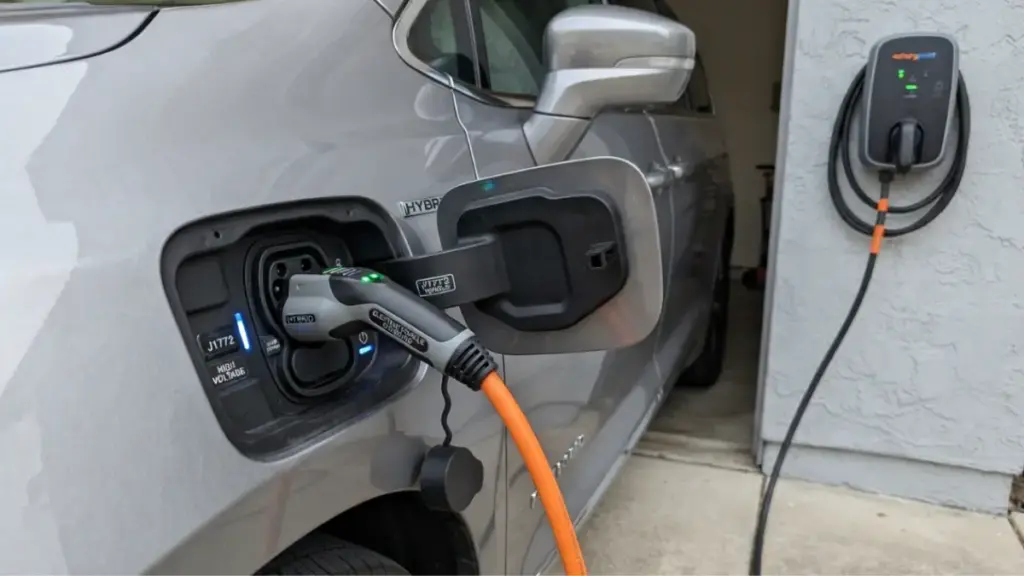
Maintenance Cost Dynamics and Extended Platform Lifecycles
Automotive product lifecycles typically span five to seven years before requiring a comprehensive ground-up redesign. However, capital constraints within parent conglomerates can extend these cycles significantly, forcing engineering teams to rely on iterative refreshes rather than complete platform overhauls. The Chrysler Pacifica has undergone multiple exterior fascia updates, interior tech integrations, and powertrain revisions since its initial launch, yet the core architecture remains rooted in its foundational platform design. This extended lifecycle introduces both financial benefits and competitive risks.
From a manufacturing standpoint, amortizing tooling costs over a longer production period maximizes profit margins per unit. Conversely, discerning consumers comparing spec sheets against newly engineered rival platforms may perceive older architectures as lacking cutting-edge safety features or advanced autonomous driver-assistance capabilities. The engineering challenge for the Chrysler Pacifica moving forward lies in executing cost-effective, high-impact refreshes that keep the vehicle feeling modern without triggering the prohibitive capital expenditure of an entirely new vehicle platform.
![automotive design studio wireframe projections for future models]](https://news.couchinsider.com/wp-content/uploads/2026/08/automotive-design-studio-wireframe-projections-for-future-models-1024x576.webp)
Electrification Trends and Stellantis Strategic Competitiveness
The global transition toward zero-emission transportation presents an existential crossroads for every legacy vehicle line. Regulatory bodies across North America and Europe are progressively tightening tailpipe emissions standards, pushing manufacturers to phase out internal combustion engines in favor of hybrid and fully electric powertrains. For the Chrysler Pacifica, this regulatory shift demands continuous refinement of its plug-in hybrid system and raises questions regarding the feasibility of a dedicated battery-electric successor. Developing such advanced propulsion systems requires massive capital investments from Stellantis.
Balancing these multi-billion-dollar electrification investments with the immediate need for profitable, high-volume production creates a complex strategic puzzle. If the parent conglomerate moves too slowly, competitors will capture the emerging electric family vehicle market. If they transition too aggressively without ensuring cost parity and robust supply chains, profit margins could collapse. The future of the entire Chrysler brand hinges on how successfully Stellantis navigates this technological pivot while keeping the Chrysler Pacifica relevant, affordable, and mechanically dependable for everyday consumers.
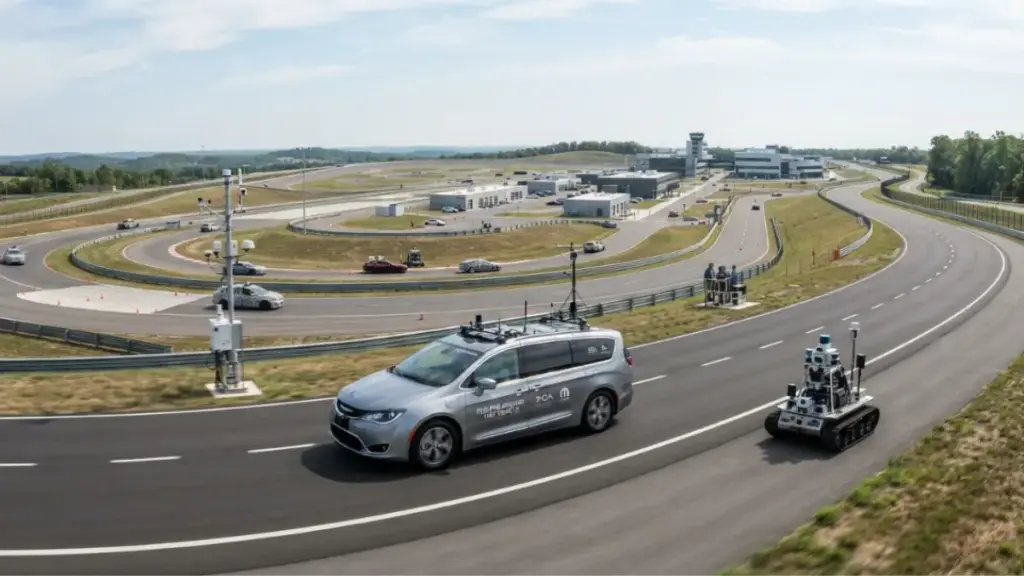
Conclusion
The automotive journey of the Chrysler brand serves as a fascinating case study in corporate resilience, strategic contraction, and product specialization. By narrowing its commercial focus to a single, highly capable vehicle architecture, the brand placed its entire future on the shoulders of one nameplate. Through innovative interior packaging, practical all-wheel-drive integration, and steady production output, the vehicle successfully defends its territory against aggressive market competition. As the industry accelerates toward an electrified and digitally integrated future, the ability of this single platform to adapt will ultimately determine whether an iconic American marque endures for generations to come.
LEAVE A COMMENT TO GET FREE EXPERT CONSULTATION OR FOLLOW OUR THE COUCH INSIDER WEBSITE TO UPDATE THE LATEST KNOWLEDGE.